Understanding Endometriosis Excision Surgery: A Comprehensive Guide
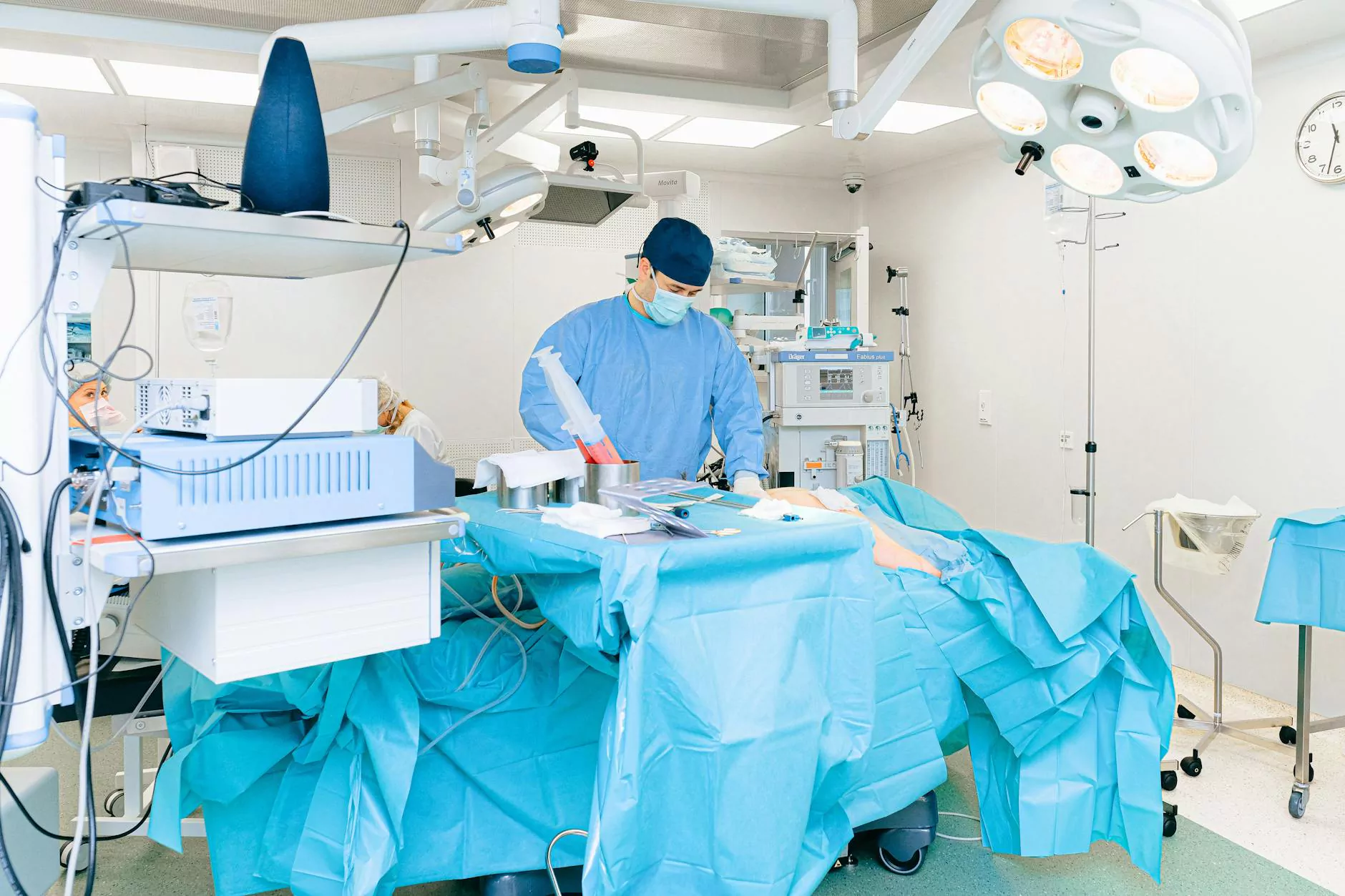
Endometriosis excision surgery offers a powerful solution for many women suffering from the debilitating effects of endometriosis. This condition, characterized by the growth of tissue similar to the lining of the uterus outside the uterus, can lead to severe pain, infertility, and a decreased quality of life. Through this article, we will delve deep into what endometriosis excision surgery entails, why it is recommended, and the life-changing benefits it can bring.
What is Endometriosis?
Endometriosis is a chronic, often painful condition that affects millions of women worldwide. The symptoms can vary widely, but common signs include:
- Chronic pelvic pain: Often the most debilitating symptom, which can occur before and during menstruation.
- Heavy periods: Menorrhagia, or heavy menstrual bleeding, is common among those suffering from this condition.
- Infertility: Endometriosis can be a significant factor in women who struggle to conceive.
- Other gastrointestinal and urinary issues: Symptoms may include bloating, constipation, diarrhea, and painful urination.
The Importance of Accurate Diagnosis
Before proceeding with endometriosis excision surgery, it is crucial to obtain an accurate diagnosis. Diagnostic methods include:
- Pelvic exams: A healthcare provider may discover abnormalities.
- Imaging tests: Ultrasounds or MRIs can help visualize cysts associated with endometriosis.
- Laparoscopy: A minimally invasive surgical procedure that allows doctors to view the pelvic organs directly and, often, to confirm endometriosis.
What is Endometriosis Excision Surgery?
Endometriosis excision surgery involves the surgical removal of endometrial tissue that has grown outside the uterus. It is often done through laparoscopy, offering the advantage of smaller incisions and faster recovery times. The primary goal of this procedure is to alleviate pain and improve quality of life. However, every woman's case is unique, making personalized medical consultation essential.
Indications for Endometriosis Excision Surgery
Endometriosis excision surgery is typically recommended if:
- The patient experiences significant pain that does not improve with medication.
- There is an identified or suspected endometriosis that impacts reproductive health.
- Other treatment options have failed or are not suitable.
The Surgical Procedure Explained
The procedure itself often follows these general steps:
- Anesthesia: General anesthesia is administered to ensure the patient's comfort.
- Accessing the abdomen: Small incisions are made in the abdomen, and carbon dioxide gas is introduced to create space for better visibility.
- Identification of endometrial tissue: The surgeon uses a camera (laparoscope) and surgical instruments to locate and assess the endometriosis.
- Excision of tissue: Abnormal tissue is cut away, and all endometriosis implants are removed to the greatest extent possible.
- Closure: The incisions are closed using sutures or adhesive strips.
Benefits of Endometriosis Excision Surgery
There are numerous benefits to undergoing endometriosis excision surgery, including:
- Pain relief: Many women experience a significant reduction in pain after the surgery.
- Improved quality of life: Patients often report a better overall experience in daily activities post-surgery.
- Enhanced fertility: For those hoping to conceive, surgery may increase chances of pregnancy, especially when done before treatment for infertility.
Recovery Process
Recovery from endometriosis excision surgery can vary from person to person, but here are some common aspects:
- Hospital stay: Many patients go home the same day, while some may require an overnight hospital stay.
- Post-operative care: Pain management and follow-up visits will typically be essential parts of the recovery.
- Activity level: Patients are generally encouraged to begin light activities within a few days, but strenuous activities should be avoided for several weeks.
Potential Risks and Considerations
As with any surgical procedure, endometriosis excision surgery carries some risks, including:
- Bleeding: Excessive bleeding can occur during or after surgery.
- Infection: There is always a risk of infection with any surgical intervention.
- Damage to surrounding organs: While rare, surgical complications could potentially injure surrounding organs like the bladder or intestines.
Long-term Outlook
Many patients find that their symptoms dramatically improve long-term after endometriosis excision surgery. However, it is essential to understand that endometriosis can return, and ongoing management may be necessary.
Working with a Specialist
Choosing the right surgeon is vital for successful endometriosis excision surgery. Dr. Seckin, a renowned expert in the field, focuses on minimally invasive techniques to ensure patients receive the best possible care. His approach prioritizes sorting through each patient's unique case to develop a tailored treatment plan.
Conclusion
In summary, endometriosis excision surgery represents a critical option for many women struggling with the effects of endometriosis. With the potential for significant improvement in symptoms and quality of life, it is essential to have informed discussions with healthcare professionals to explore this and other treatment options thoroughly. With experienced care and a strong support system, patients can take important steps toward reclaiming their health and well-being.
For more information about endometriosis excision surgery or to schedule a consultation, please visit drseckin.com.