Unleashing the Power of Website Analytics Traffic in Your Business Strategy
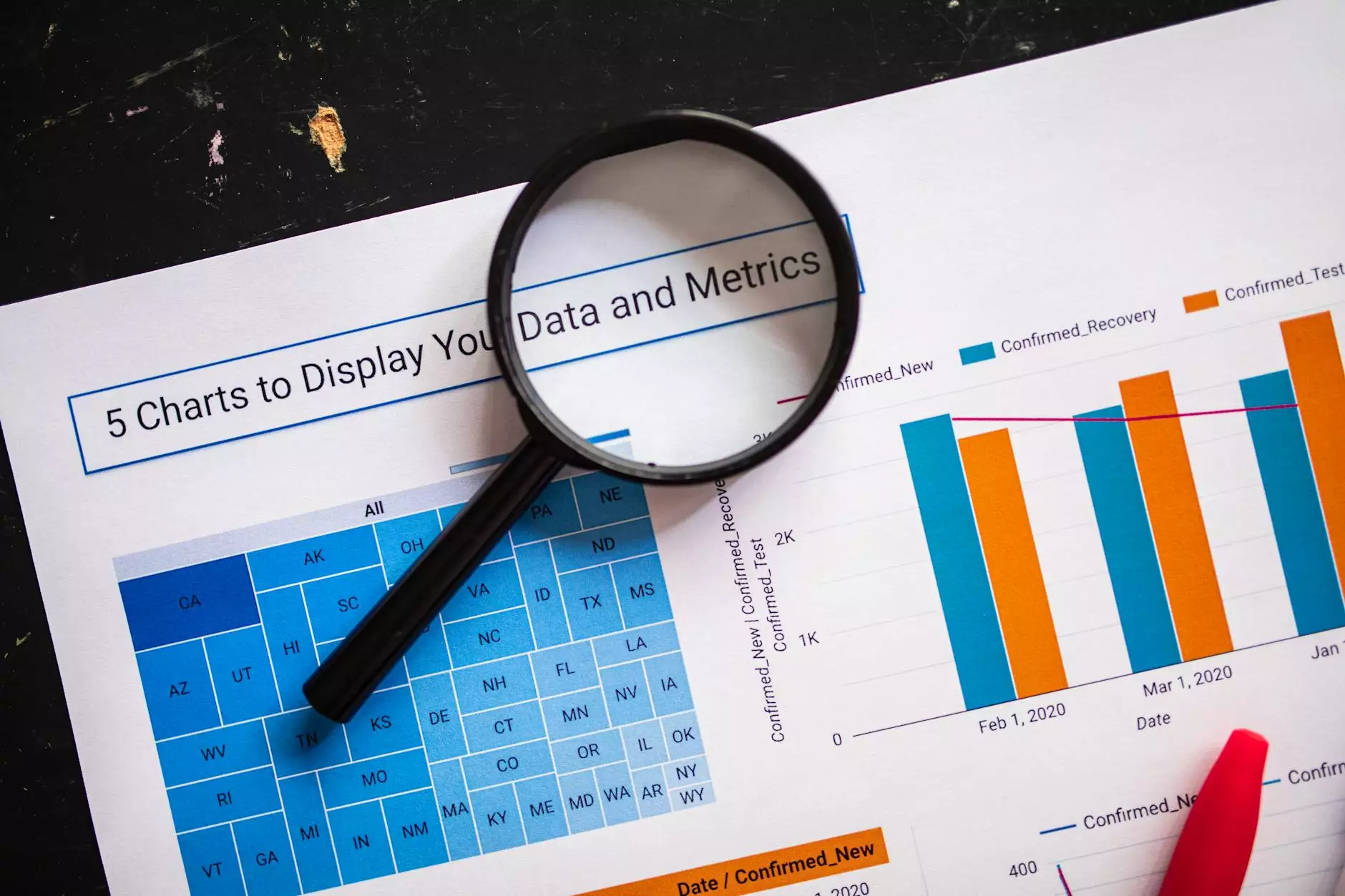
In today's digital age, understanding website analytics traffic is crucial for any business aiming to succeed online. The ability to analyze data from your website does not merely support marketing efforts; it drives critical business decisions and enhances user experience. This article delves deep into the significance of website analytics traffic, how it can transform your marketing strategies, and ways to optimize your website design to attract and retain visitors.
Understanding Website Analytics Traffic
Website analytics traffic refers to the collection and analysis of data regarding how users interact with your website. This data includes a wealth of information such as the number of visitors, their geographical location, the pages they view, the duration of their stay, and their navigation paths. By leveraging this information, businesses can make informed decisions to enhance user engagement and increase conversions.
Why Website Analytics Traffic Matters
- Improved Decision-Making: With clear insights into user behavior, businesses can make adjustments that reflect the preferences and needs of their audience.
- Targeted Marketing: Analyzing traffic sources allows for crafting tailored marketing strategies that resonate more effectively with specific demographics.
- Enhanced User Experience: Understanding which pages retain users and which do not can help improve the website's navigational structure and content delivery.
- Boosted SEO Performance: Insights from website traffic can inform SEO strategies, helping businesses rank higher on search engines and attract organic leads.
Key Metrics to Monitor in Website Analytics Traffic
When delving into website analytics traffic, several key metrics should be your primary focus. Understanding these metrics allows you to paint a clearer picture of your website’s performance and user engagement.
1. Visitor Count
This metric measures the total number of visitors to your website over a specific period. It is crucial for determining whether your marketing strategies are effective in driving traffic.
2. Bounce Rate
The bounce rate indicates the percentage of visitors who leave your site without engaging further after viewing a single page. A high bounce rate may signal that your content does not meet user expectations or that your website requires optimization.
3. Average Session Duration
This metric reveals how long visitors stay on your site, providing insights into the effectiveness of your content and overall user experience. Longer session durations often indicate that users find your content engaging.
4. Pages per Session
Pages per session measure how many pages a visitor views during a single session. Higher numbers suggest that users are exploring your content, which is a positive indicator of interest and relevance.
5. Conversion Rate
This critical metric measures the percentage of visitors who complete a desired action, such as signing up for a newsletter or making a purchase. By analyzing conversion rates, businesses can gauge the success of their calls-to-action (CTAs) and overall effectiveness.
Tools for Tracking Website Analytics Traffic
To effectively track and analyze website analytics traffic, companies must utilize the right tools. Here are some of the most popular analytics tools that facilitate data gathering and analysis:
- Google Analytics: A robust tool that offers comprehensive tracking of website traffic patterns, demographics, and user behavior.
- Adobe Analytics: A sophisticated platform aimed at businesses requiring advanced analytical capabilities tailored for deep data insights.
- Matomo: An open-source web analytics platform that provides full control over data and privacy.
- Clicky: Known for its real-time analytics capabilities, Clicky offers an easy-to-use interface and insightful data tracking features.
Integrating Website Analytics Traffic into Your Marketing Strategy
Once you have collected data regarding website analytics traffic, the next step is to integrate these insights into your broader marketing strategy. Here’s how you can effectively do that:
1. Define Your Goals
Clearly defined goals provide a framework for using analytics data. Objectives may include increasing brand awareness, driving traffic, or improving sales conversion rates. Setting these benchmarks helps in measuring success over time.
2. Segment Your Audience
Use analytics data to segment your audience based on various criteria such as demographics, behaviors, or interests. Tailored marketing campaigns based on these segments lead to more personalized user experiences and higher conversion rates.
3. Optimize Content Based on User Behavior
Analyze which content performs best by examining traffic patterns. Focus on enriching high-performing content while reconsidering or repurposing underperforming pieces to better meet user needs.
4. Assess Marketing Channels
Monitor the performance of different traffic sources, whether organic, paid, social, or referral. This data reveals which channels are driving quality traffic, allowing you to allocate resources efficiently for maximum impact.
Using Website Analytics Traffic to Refine Web Design
Your website design plays a pivotal role in retaining visitors and converting them into customers. Insights gathered from website analytics traffic can inform significant design enhancements:
1. Responsive Design
Ensure your website is optimized for various devices. Analytics may reveal substantial mobile traffic, underscoring the need for mobile responsiveness to improve user experience.
2. Enhancing Navigation
If analytics show users frequently exit from specific pages, it may indicate that navigation is not intuitive. Simplifying menu structures and improving links can encourage deeper exploration of your site.
3. A/B Testing
Implement A/B testing on landing pages based on traffic data. Experiment with different layouts, CTAs, and content types to determine which combinations yield the highest engagement and conversions.
Conclusion
The impact of website analytics traffic on business strategy cannot be overstated. By comprehensively analyzing user interactions with your website, you enable informed decisions that drive marketing effectiveness, enhance user experience, and ultimately increase revenue. In a constantly evolving digital landscape, leveraging data insights is not merely an option; it has become a necessity for businesses aiming for sustained growth and success.
Investing in analytical tools and understanding your website traffic is the first step toward a more strategic approach. Embrace the power of data today and unlock the full potential of your business online at rankactive.com.