Create Storyboards with AI: Revolutionizing Graphic and Web Design
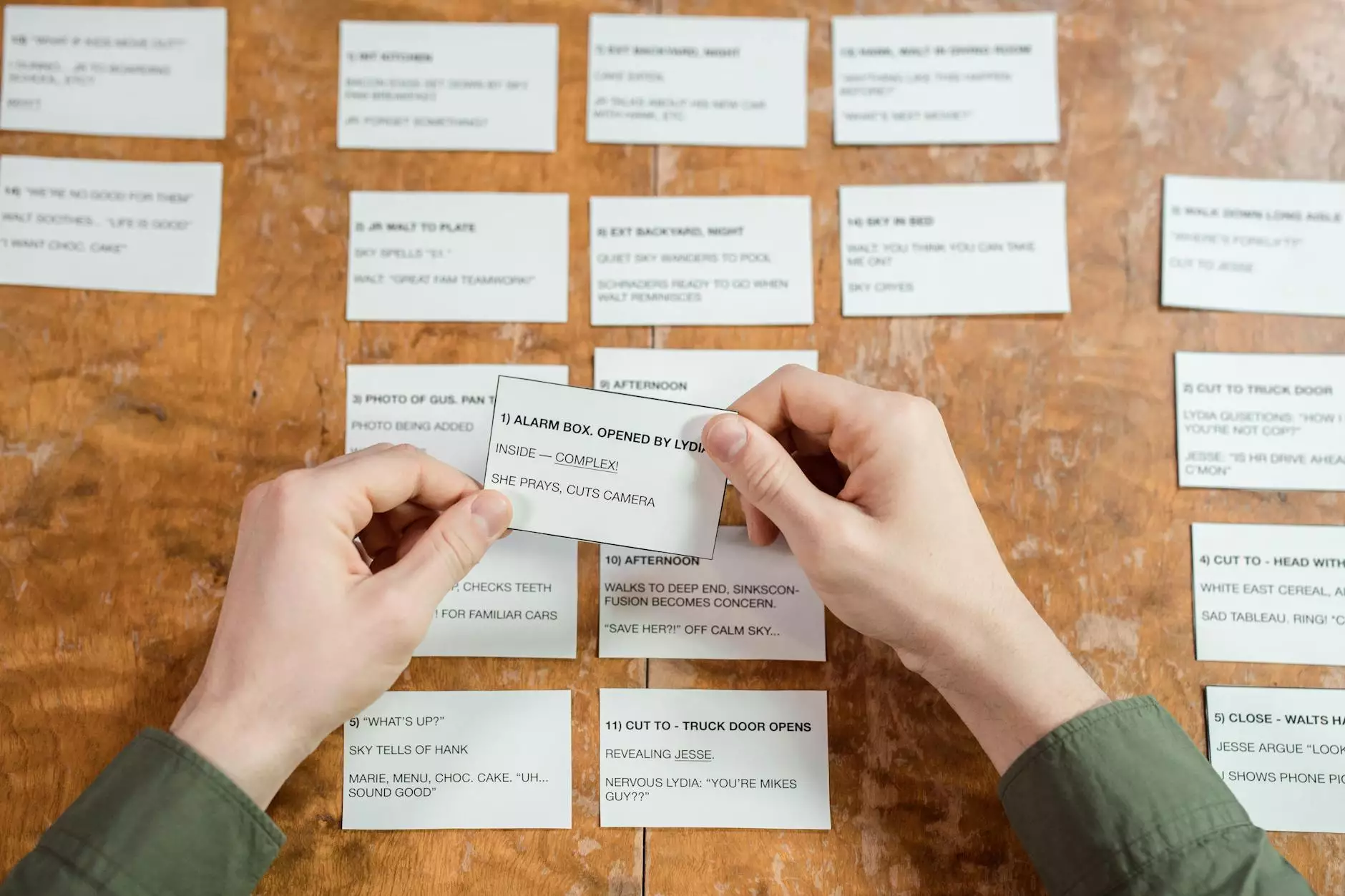
Introduction to AI-Powered Storyboarding
In today's fast-paced digital world, graphic design and web design rely heavily on the ability to visualize ideas quickly. One of the most effective ways to convey a concept is through a storyboard. Traditionally, storyboarding has been a manual process involving artists skillfully drafting scenes, but with the advent of technology, specifically artificial intelligence (AI), this process has been transformed. In this article, we will delve into how to create storyboards with AI and the myriad benefits it brings to designers and creative professionals.
The Importance of Storyboarding in Graphic and Web Design
Storyboarding is not just a tool that applies to film or video production; its principles are essential in graphic and web design as well. Here are several reasons why storyboarding is crucial:
- Visual Clarity: Storyboards help in outlining the flow of the project visually, providing a clear roadmap for designers.
- Efficient Communication: They serve as effective communication tools between designers, clients, and stakeholders, ensuring everyone is on the same page.
- Time Management: By planning in advance, designers can save time during the actual design process, reducing revisions and streamlining the workflow.
How AI is Revolutionizing Storyboarding
The integration of AI in storyboarding processes offers numerous advantages:
- Speed: AI tools can generate storyboards in a fraction of the time it would take a human designer.
- Creativity: AI can suggest layouts, color schemes, and even character designs, enhancing the creative process.
- Data-Driven Insights: AI can analyze trends and user behaviors, allowing for the creation of storyboards that attract and engage target audiences better.
Key AI Tools for Creating Storyboards
There are several AI-powered tools available that can help you create storyboards with AI. Here are some of the best options:
- Storyboard That: This user-friendly tool allows you to create engaging storyboards with just a few clicks. With a vast library of images, characters, and scenes, you can easily visualize your ideas.
- Pencil2D: For those looking to incorporate a hand-drawn animation feel, Pencil2D combines traditional animation techniques with modern software capabilities.
- Canva: While primarily known as a graphic design tool, Canva also offers features for storyboarding, with its intuitive drag-and-drop interface making it easy to lay out ideas.
- ShotPro: Ideal for film and video storyboarding, ShotPro utilizes AI to help directors visualize shots, camera angles, and more.
Steps to Create Storyboards with AI
Creating storyboards with AI involves a few key steps that simplify the process:
- Define Your Project: Understand the goal of your storyboard. What message do you want to convey? Who is your target audience?
- Select an AI Tool: Choose an AI storyboarding tool that fits your needs based on ease of use, features, and your design style.
- Input Your Ideas: Begin by outlining key scenes or concepts. Use the AI's suggestions to expand your vision.
- Revise and Refine: Utilize tool features to refine your storyboard, adjusting layouts, adding text, and modifying elements as needed.
- Share and Collaborate: Once your storyboard is complete, share it with your team or clients for feedback. Many AI tools allow for easy sharing and collaboration.
Case Studies: Successful Implementation of AI in Storyboarding
To understand the impact of AI in storyboarding, let's explore some case studies:
Case Study 1: Advertising Agency
An advertising agency implemented AI storyboard software to create a series of commercials. By using AI suggestions for scene layouts and character interactions, they reduced their storyboard creation time by 50%, allowing them to focus more on creative execution.
Case Study 2: Game Development Studio
A game development studio began to use AI tools to plan their game’s narrative scenes. The AI helped by predicting player behavior, enabling the designers to create a more engaging storyline that resonated with the audience. The outcome was a more immersive user experience and higher customer satisfaction.
Future Trends: The Evolution of AI in Storyboarding
The future of AI in storyboarding is promising. Here are some emerging trends to watch:
- Enhanced Virtual Reality Tools: As VR technology evolves, integrating AI for storyboarding in VR environments will allow designers to create fully immersive experiences.
- Increased Personalization: AI will continue to learn user preferences, allowing for even more personalized design suggestions that cater to specific audiences.
- Collaboration with 3D Models: Future advancements may enable storyboarding tools to integrate seamlessly with 3D modeling software, expanding creative possibilities.
Conclusion: The Future is Bright for AI in Storyboarding
Using AI to create storyboards significantly enhances the workflow for graphic and web designers. By embracing this technology, designers not only increase efficiency and creativity but also improve communication and collaboration across teams. The tools and techniques available today empower designers to visualize and present their ideas more effectively, paving the way for innovative and engaging projects. As we look toward the future, the integration of AI in storyboarding will undoubtedly continue to evolve, bringing new possibilities to the world of design.
© 2023 Krock.io. All rights reserved.