Understanding Thoracic Lung Surgery: Your Guide to Improved Health
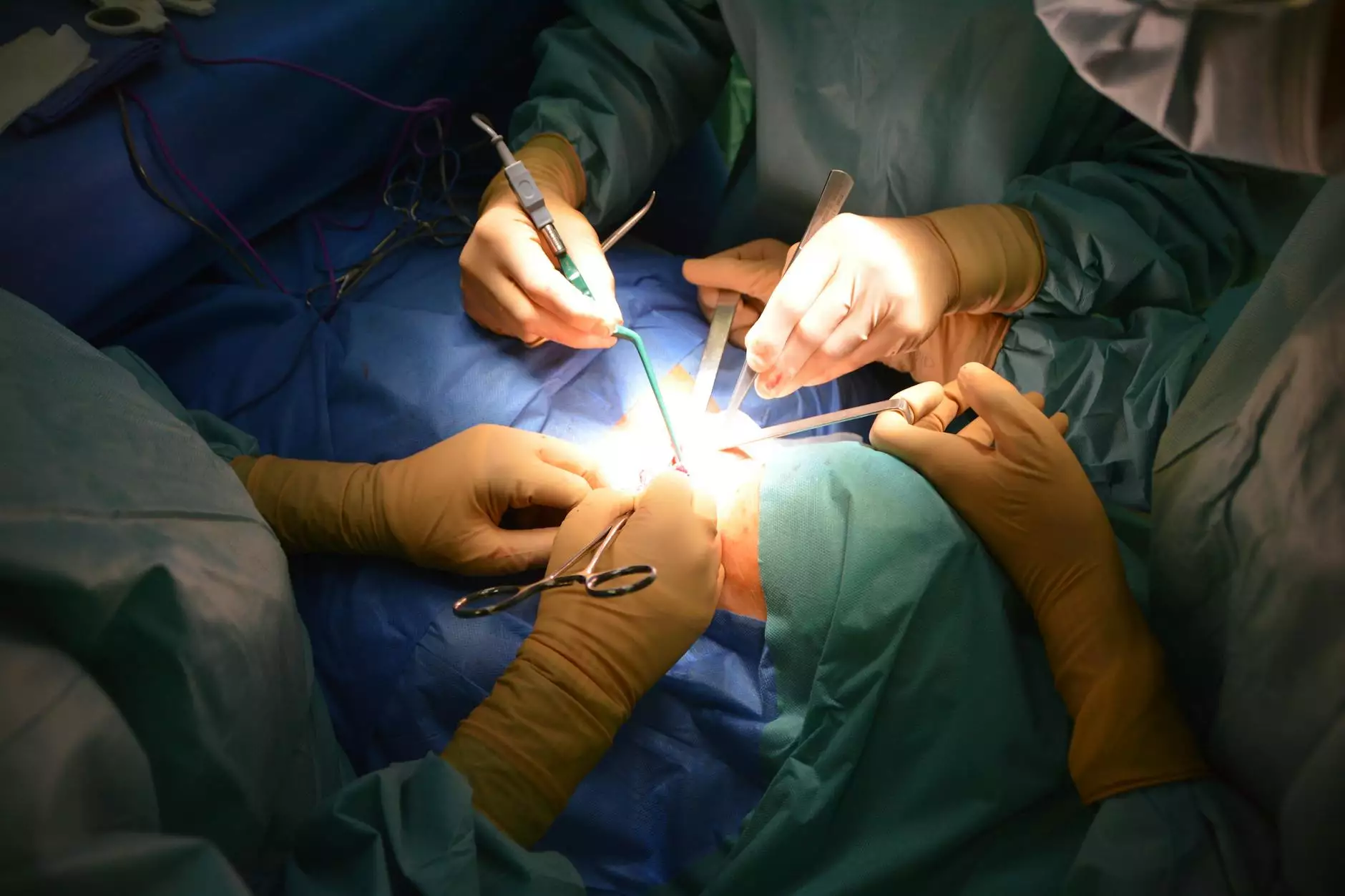
Thoracic lung surgery is a specialized field of medicine focused on diagnosing and treating conditions affecting the lungs and the chest area. This article will explore the various aspects of thoracic lung surgery, how it can benefit patients, the procedures involved, and what one should expect pre and post-operation. Our aim is to provide you with comprehensive knowledge that can empower your health decisions and understand this critical area of medical care.
What is Thoracic Lung Surgery?
Thoracic lung surgery involves surgical procedures on the organs within the thoracic cavity, primarily focusing on the lungs. Common conditions that require such surgical attention include lung cancer, chronic obstructive pulmonary disease (COPD), and various infections. Thoracic surgeons are highly trained specialists dedicated to improving respiratory health through cutting-edge surgical techniques.
Types of Thoracic Lung Surgery
There are several types of thoracic lung surgeries, each designed to tackle specific problems. Understanding these procedures can help demystify the process and alleviate any concerns you may have. Here are some of the primary types:
- Lung Resection: This entails the removal of a portion of the lung, often performed to address lung cancer or significant lung disease. It can be partial (lobectomy) or the entire lung (pneumonectomy).
- Video-Assisted Thoracoscopic Surgery (VATS): A minimally invasive technique that uses small incisions and a camera to guide the procedure, significantly reducing recovery time and pain.
- Thoracotomy: A traditional approach that involves a larger incision in the chest wall to access the lungs, typically for more complex cases.
- Bronchoscopy: Though less invasive, this method allows doctors to examine the lungs and airways using a flexible tube with a camera, facilitating diagnosis and treatment from within the airways.
Conditions Treated Through Thoracic Lung Surgery
Thoracic lung surgery plays a critical role in managing several severe conditions:
- Lung Cancer: One of the most common reasons for needing thoracic surgery. Timely surgical intervention can be lifesaving and is often combined with other treatments like chemotherapy.
- Chronic Obstructive Pulmonary Disease (COPD): Lung surgery may be indicated for severe COPD patients, especially in cases of emphysema where lung volume reduction is necessary.
- Infections: Severe lung infections, such as abscesses or tuberculosis, may necessitate surgical drainage or resection of infected tissue.
- Pleural Diseases: Conditions like pleural effusion or pleurisy can be treated surgically if other interventions fail to provide relief.
Benefits of Thoracic Lung Surgery
Undergoing thoracic lung surgery can offer numerous benefits for patients suffering from chronic respiratory issues or malignancies:
- Enhanced Lung Function: By removing diseased portions of the lung, the remaining lung can function more efficiently.
- Improved Quality of Life: Many patients experience a significant improvement in their overall well-being, enabling them to engage in activities they previously found challenging.
- Long-Term Survival: In cases of lung cancer, early surgical intervention can dramatically increase the chances of survival when combined with other therapies.
- Minimally Invasive Options: Advances in surgical techniques, such as VATS, allow for quicker recovery and less postoperative pain.
Patient Preparation for Thoracic Lung Surgery
Preparation is crucial for successful surgical outcomes. Here’s a step-by-step guide on what to expect:
- Preoperative Evaluation: Your thoracic surgeon will conduct a thorough assessment, including imaging tests like CT scans and pulmonary function tests to evaluate lung capacity.
- Discussion of Anesthesia: Understanding the type of anesthesia used—general or local—is key. Your medical team will discuss risks, recovery time, and the process itself.
- Preparation Instructions: You may be given specific instructions regarding medications, dietary restrictions, and what to bring on the day of surgery.
- Emotional Wellbeing: It's also important to address emotional health. Don't hesitate to seek support from family, friends, or counseling services.
What to Expect During Thoracic Lung Surgery
Understanding the procedure can help ease anxiety and prepare you for the experience:
- Day of Surgery: On the day of your procedure, you will arrive at the hospital and check in. Medical staff will assist you in preparing for the surgery.
- Administration of Anesthesia: An anesthesiologist will administer the anesthesia to ensure you are comfortable and pain-free during the procedure.
- Surgical Procedure: Depending on the type of surgery, the operation can last from a few hours to longer, primarily focusing on the affected areas while ensuring minimal impact on healthy tissue.
Recovery Process After Thoracic Lung Surgery
Recovery from thoracic lung surgery varies greatly depending on the type of surgery performed. Here’s what to expect post-operation:
- Hospital Stay: Most patients will need to stay in the hospital for several days to monitor recovery and manage pain.
- Pain Management: Expect to receive medications to manage post-operative pain; openness about your pain levels will help healthcare providers tailor the treatment to your needs.
- Respiratory Therapies: These may include deep breathing exercises, incentive spirometry to help improve lung function, and possibly pulmonary rehabilitation post-discharge.
- Follow-Up Appointments: Regular follow-ups with your surgeon are essential to track your recovery and perform any necessary imaging to monitor healing.
Potential Risks and Complications of Thoracic Lung Surgery
As with any surgical procedure, thoracic lung surgery does carry risks. It’s essential to be informed:
- Infection: Postoperative infections can occur, requiring additional treatment.
- Bleeding: While managed during the surgery, excessive bleeding may occur and necessitate further intervention.
- Pneumonia: A significant risk, particularly for patients with existing respiratory issues, highlighting the importance of effective respiratory therapy post-surgery.
- Lung Collapse: Partial or complete collapse of the lung (pneumothorax) can occur, especially in patients undergoing extensive procedures.
Conclusion: The Importance of Consulting a Specialist for Thoracic Lung Surgery
In conclusion, understanding thoracic lung surgery is pivotal for anyone facing lung health challenges. It is a vital component of contemporary medicine that can significantly enhance life quality, survival rates, and lung function. As you navigate this journey, remember that consulting with a highly skilled thoracic surgeon, such as those found at Neumark Surgery, can provide you with personalized care tailored to your specific needs.
By being well-informed and proactive, you can take significant steps toward achieving better respiratory health. Always ensure that you discuss all your questions and concerns with your medical team, as they play an integral role in your journey toward recovery and wellness. Your health is paramount, and with the right support, you can achieve a better quality of life.