Unlocking Business Potential with Barcode Printers
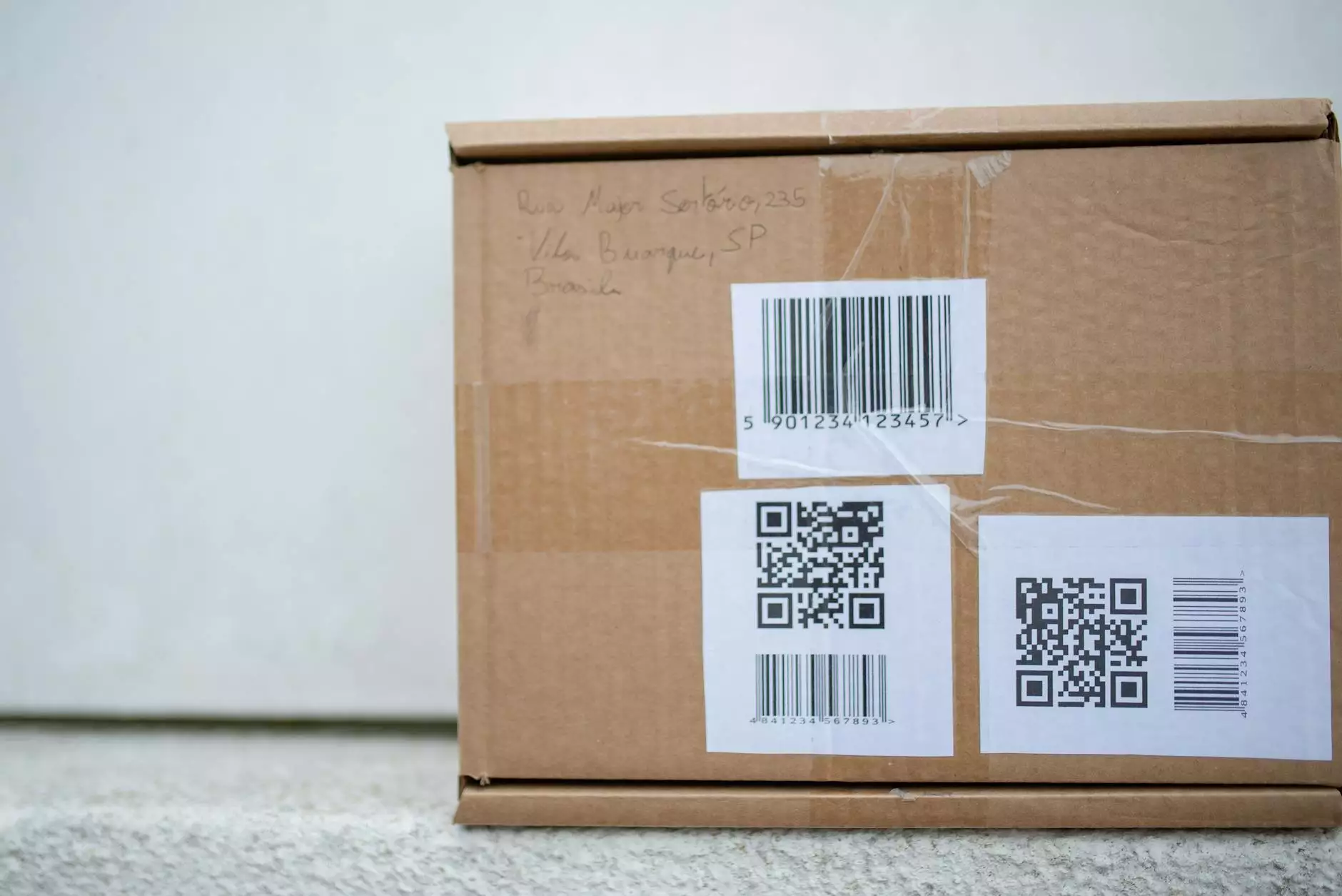
In today's fast-paced business environment, organizations of all sizes are constantly seeking solutions that enhance operational efficiency and reduce overhead costs. One such solution that has proven invaluable is the barcode printer. These advanced tools not only improve accuracy in data management but also play a crucial role in enhancing overall productivity. Let’s explore the myriad benefits that barcode printers offer and how they can revolutionize your business practices.
What is a Barcode Printer?
A barcode printer is a specialized printing device that produces labels featuring barcodes—machine-readable representations of data. Barcodes are typically used to track products and streamline inventory management within various industries. These printers come in various types, each designed to meet different printing needs. From desktop thermal printers to industrial-grade models, the selection is vast.
Why Your Business Needs a Barcode Printer
With the burgeoning need for efficient tracking and management systems, businesses can reap substantial benefits from integrating barcode printers. Here are some compelling reasons:
- Improved Accuracy: Manual data entry is prone to human error. Barcodes eliminate these mistakes, ensuring accurate data collection.
- Time Efficiency: Scanning barcodes is significantly faster than typing information, saving employees valuable time.
- Cost-Effective: By reducing errors and improving efficiency, companies can save money on labor costs and operational overhead.
- Better Inventory Management: Barcode systems allow businesses to keep real-time tabs on stock levels, reducing the risk of overstocking or stockouts.
- Enhanced Customer Service: Fast and accurate service leads to higher customer satisfaction levels, helping businesses build a loyal customer base.
Applications of Barcode Printers in Different Industries
Barcode printers have a wide range of applications across various industries. Here are some common examples:
1. Retail
In retail environments, barcode printers are essential for generating price tags and inventory labels. With an effective barcode system, retailers can streamline checkout processes, manage inventory displays, and improve customer experience by speeding up sales transactions.
2. Manufacturing
Manufacturers use barcode printing to track parts and products along the assembly line. This ensures that production processes are efficient, and quality control measures are upheld. With precise barcode labels, every step of the production cycle can be monitored and documented.
3. Logistics and Warehousing
In the logistics sector, timely distribution rests on accurate tracking. Barcode printers allow for labeling packages, pallets, and inventory items, ensuring that shipments are delivered correctly and on time. By implementing a barcode system, warehouses can experience reduced misplacements and optimized order fulfillment processes.
4. Healthcare
In healthcare settings, barcode technology is pivotal for patient safety and medication management. Labels with barcodes ensure accurate medication dosing and tracking of medical supplies, drastically minimizing the risk of errors in patient care.
Choosing the Right Barcode Printer for Your Business
When selecting a barcode printer, businesses must consider several factors to ensure they choose the model that fits their specific needs:
- Printer Type: Decide between thermal transfer, direct thermal, and inkjet printers based on your requirements for durability and print quality.
- Print Speed: Evaluate the printing demands of your business to determine appropriate speed, especially if high volumes need to be printed regularly.
- Label Size and Material: Consider what sizes and types of labels you will be printing. Different applications may require different materials, such as waterproof or heat-resistant labels.
- Connectivity: Ensure compatibility with your existing systems. Printers can connect via USB, Ethernet, Wi-Fi, or Bluetooth for ease of use.
- Cost: Assess your budget while considering the total cost of ownership, including maintenance costs and consumables.
Benefits of Thermal Printing Technology
One of the most common methods of printing barcodes is thermal printing. This technology offers several advantages:
- Quality Output: Thermal printing produces high-resolution barcodes that are reliably scannable, which is essential for successful inventory tracking.
- Fast Printing: Thermal printers are designed for speed, making them ideal for high-demand environments.
- Fewer Consumables: Lower maintenance compared to other printing technologies, as thermal printers do not require ink or toner cartridges, reducing long-term operating costs.
Integrating Barcode Printers with Software Solutions
To fully leverage the advantages of barcode printers, businesses should consider integrating them with inventory management software. This integration allows for seamless data flow between the physical and digital inventory systems:
- Real-Time Inventory Tracking: Integrating with software allows for real-time updates on stock levels, eliminating discrepancies and ensuring accuracy.
- Enhanced Reporting: Data collected through barcode scanning can generate insightful reports, aiding in better decision-making and forecasting.
- Streamlined Operations: Automating manual processes through integrated systems can dramatically reduce administrative burdens and increase operational efficiency.
Implementing a Barcode System: Best Practices
To ensure smooth implementation of a barcode system, follow these best practices:
- Conduct a Needs Assessment: Outline your requirements and how barcode technology can effectively meet them.
- Choose the Right Labels: Select labels compatible with your products and the environment in which they will be used.
- Employee Training: Invest in comprehensive training for staff on how to properly use barcode scanning equipment and understand the system.
- Regular Maintenance: Run routine checks and maintenance on the barcode printers to minimize downtime and ensure consistent performance.
Future Trends in Barcode Printing
The landscape of barcode printing is continuously evolving. Here are some trends that businesses should keep an eye on:
- Mobile Printing: With the rise of mobile technology, mobile barcode printers are becoming increasingly popular, allowing on-the-go printing.
- RFID Integration: Radio-Frequency Identification (RFID) technology is gaining traction, complementing traditional barcode systems by providing additional functionality for tracking and inventory management.
- Cloud-based Solutions: Advances in cloud technology allow businesses to manage and share barcode data across multiple locations in real-time.
Conclusion
As businesses strive for operational excellence, the role of barcode printers cannot be overstated. With their ability to streamline processes, enhance accuracy, and improve overall efficiency, investing in barcode printing technology is a smart move for any organization. Whether you’re in retail, manufacturing, logistics, or healthcare, integrating barcode printers into your operations will pave the way for significant growth and customer satisfaction.
To learn more about integrating barcode printers into your business, visit durafastlabel.ca, where you can explore a variety of printing services and electronic solutions tailored to your needs.