Understanding Hysteroscopy Test Cost: Comprehensive Guide
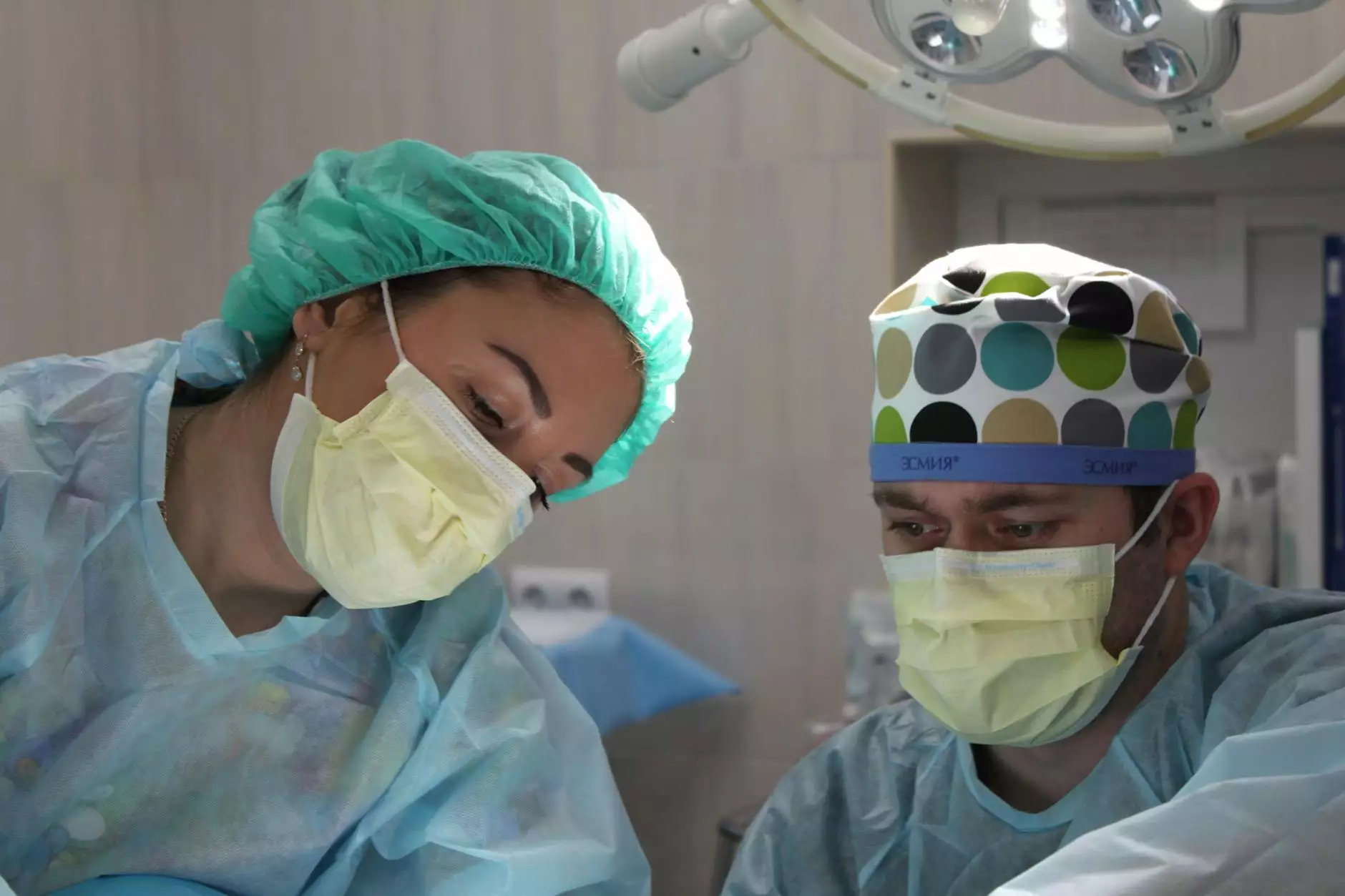
When it comes to women's health, hysteroscopy is an invaluable diagnostic procedure that plays a significant role in identifying and treating conditions related to the uterus. For many individuals, understanding the hysteroscopy test cost is crucial as they navigate healthcare options. This article delves deep into the intricacies of hysteroscopy testing, its associated costs, and how it can impact your overall health journey.
What is Hysteroscopy?
Hysteroscopy is a medical procedure that entails the inspection of the interior of the uterus using a thin, lighted tube known as a hysteroscope. This procedure allows healthcare providers to detect abnormalities such as:
- Uterine fibroids
- Polyps
- Uterine malformations
- Endometrial cancer
- Intrauterine adhesions (Asherman's syndrome)
By gaining direct visual access to the uterine cavity, doctors can make more accurate diagnoses and devise tailored treatment plans. Understanding the hysteroscopy test cost is an essential step for patients considering this procedure.
Factors Influencing Hysteroscopy Test Cost
The overall hysteroscopy test cost can vary significantly based on a multitude of factors. Below are some of the key elements that can affect pricing:
1. Geographic Location
Medical costs can vary substantially from one region to another. Urban centers often have higher costs than rural areas due to differences in demand and operating expenses.
2. Medical Facility Type
The type of healthcare facility where the hysteroscopy is performed can also influence cost. Options can include:
- Private hospitals
- Public hospitals
- Outpatient surgical centers
- Specialized gynecology clinics
Private facilities may charge premiums for services compared to public institutions that offer subsidized rates.
3. Type of Hysteroscopy
There are generally two types of hysteroscopy—diagnostic and operational. The costs associated with each can differ markedly:
- Diagnostic Hysteroscopy: This is primarily used for examination and is typically less expensive.
- Operative Hysteroscopy: This involves surgical intervention to remove or biopsy tissues and usually incurs higher costs due to the complexity of the procedure.
4. Insurance Coverage
Insurance plans can cover varying portions of hysteroscopy, impacting what patients ultimately pay out of pocket. Checking with your provider to understand the specifics of your plan is crucial. It’s also advisable to inquire about:
- Deductibles
- Co-pays
- Out-of-pocket maximums
5. Additional Services
Sometimes, the hysteroscopy may be performed alongside other diagnostic tests or treatments, adding to the total cost. It's important to clarify with your healthcare provider if any additional assessments are needed and how they contribute to the overall fee.
Average Hysteroscopy Test Cost Estimates
While the hysteroscopy test cost can vary widely, estimates indicate the following ranges:
- Diagnostic Hysteroscopy: Approximately $1,500 to $3,000
- Operative Hysteroscopy: Approximately $3,000 to $6,000
These figures often include facility fees, anesthesia costs, and the physician's professional fees, although it is wise to confirm what is bundled in the pricing.
Preparing for a Hysteroscopy
Preparation is vital to ensure a smooth hysteroscopy experience. Here are some steps to take before your procedure:
- Consultation: Schedule a detailed consultation with your doctor to discuss the procedure, risks, and expected outcomes.
- Medical History: Be prepared to share your complete medical history, including any medications you're taking and prior surgeries.
- Payment Discussions: Clarify costs with the medical office, including what your insurance will cover before the appointment.
- Plan Logistics: Arrange for someone to accompany you, as you may not be able to drive right after the procedure.
Recovery After Hysteroscopy
Recovery after hysteroscopy can vary depending on whether it was a diagnostic or operative procedure. Generally, patients may experience some mild symptoms:
- Light bleeding or spotting
- Cramps similar to menstrual cramps
- Nausea or dizziness (if anesthesia was used)
It's imperative to follow your doctor's post-op care instructions, which may include:
- Avoiding tampon use or sexual intercourse for a specified period
- Monitoring for signs of infection (including fever or severe pain)
- Adhering to any prescribed medications
Finding Affordable Hysteroscopy Services
Given the potential costs, patients often search for affordable options for hysteroscopy. Here are a few strategies to consider:
- Shop Around: Different facilities may offer varying prices for the same procedure. It can be beneficial to compare costs and services.
- Inquire About Payment Plans: Many medical facilities offer financing options or payment plans for patients without insurance.
- Look for Community Clinics: Some non-profit and community health organizations provide lower-cost services.
- Discuss with Your Insurance Provider: They may have a list of in-network facilities that offer competitive pricing.
Conclusion
Understanding the hysteroscopy test cost is essential for anyone considering this procedure. By exploring the factors that influence costs, the significance of preparation, and ways to find affordable services, you can make informed decisions regarding your health. Awareness is the first step toward better health, and hysteroscopy can aid in understanding crucial aspects of women's reproductive health.
For more information or to schedule a consultation regarding hysteroscopy and related women's health services, visit drseckin.com.