Understanding the World of Monitor Lizards in Australia
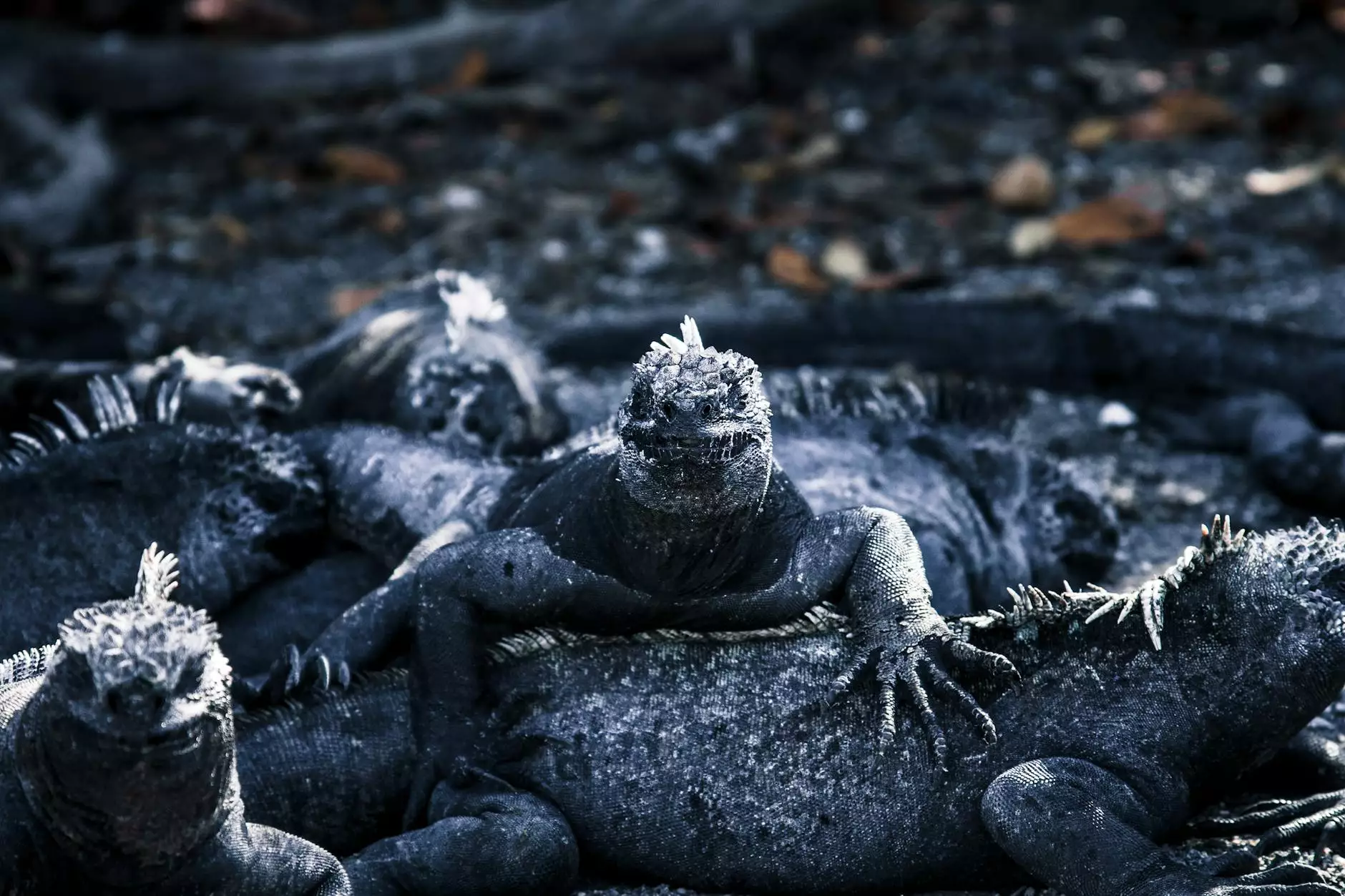
Monitor lizards are among the most captivating reptiles in Australia. Known for their distinctive appearance and impressive size, they have captured the interest of reptile enthusiasts, biologists, and pet owners alike. In this comprehensive guide, we will delve into the biology, behavior, and best practices for adopting and caring for these magnificent creatures.
What are Monitor Lizards?
Monitor lizards belong to the family Varanidae and are characterized by their long bodies, sharp claws, and powerful tails. They are prevalent throughout Australia, with several native species that thrive in diverse environments, from arid deserts to lush rainforests.
The Varieties of Monitor Lizards in Australia
Australia is home to many species of monitor lizards, each with unique traits. Here are a few notable ones:
- Perentie (Varanus giganteus): The largest of the Australian monitor lizards, known for its impressive size and strength.
- Goanna (Varanus spp.): A colloquial term for various monitor species, often seen sunbathing along the coast or in woodlands.
- Lawson's Monitor (Varanus lawsoni): A smaller species popular among reptile lovers for its manageable size and temperament.
- Spotted Monitor (Varanus punctatus): Recognizable by its distinct spotted pattern and active behavior.
Adopting a Monitor Lizard
If you're considering adopting a monitor lizard, it's essential to understand their specific needs and behaviors. Adopting these reptiles entails a commitment to their care and well-being.
Choosing the Right Species for Your Home
When adopting a monitor lizard, consider the following:
- Size: Larger species like the Perentie require more space, while smaller species could be suitable for smaller homes.
- Temperament: Research the personality traits of different species to find one that aligns with your experience level and lifestyle.
- Dietary Needs: Different species may have varying dietary requirements, from carnivorous diets to insects and plants.
Setting Up the Perfect Habitat
A monitor lizard's habitat is crucial for its health and happiness. Here are key components to create an ideal environment:
- Enclosure Size: Choose a spacious enclosure. A 4-foot long terrarium is ideal for smaller species, while larger ones may need up to 10 feet.
- Heat and Lighting: Ensure a basking spot with temperatures between 85°F to 100°F. Use UVB lighting to promote health and well-being.
- Substrate: Use natural substrates like coconut fiber or aspen bedding that can retain moisture and allow for burrowing.
- Hiding Spaces: Provide plenty of hiding spots using rocks, logs, or commercially bought hides to give your lizard a sense of security.
Feeding Your Monitor Lizard
Feeding monitor lizards can be fascinating given their dietary needs. These reptiles are primarily carnivorous, requiring a balanced diet for optimal health.
What to Feed Monitor Lizards
- Live Foods: Crickets, mealworms, and small rodents are excellent choices, especially for juvenile lizards.
- Prepared Diet: High-quality commercial reptile food formulated for monitor lizards can provide balanced nutrition.
- Supplementation: Calcium and vitamin supplements are critical for their health, especially during the growing phase.
Caring for Your Monitor Lizard
Caring for a monitor lizard requires dedication and attention to detail. Here are some fundamental care guidelines:
- Handling: Monitor lizards can be skittish. Gradually acclimate them to handling by spending time near their habitat daily before gently picking them up.
- Cleaning: Regularly clean the habitat to prevent bacterial growth and odor. Spot clean daily and do a deep clean weekly.
- Hydration: Fresh water should always be available. Monitor lizards enjoy soaking; a shallow water dish can facilitate this behavior.
Breeding Monitor Lizards: An Overview
Breeding monitor lizards can be an exciting endeavor but requires knowledge and preparation. It’s crucial to only breed healthy specimens and ensure you are ready for the responsibilities that come with hatching young.
Requirements for Breeding
- Breeding Pair: Acquire a genetically diverse pair for breeding. Ensure both are mature, reaching sexual maturity around 2-4 years.
- Environmental Setup: Create a separate breeding enclosure that mimics natural conditions: temperature drops and photoperiod changes can stimulate breeding.
- Egg Care: Monitor lizard eggs require high humidity and stable temperatures. Use an incubator to provide optimal conditions for hatching.
Common Health Issues in Monitor Lizards
Monitor lizards can face several health challenges, making it crucial for owners to stay informed about potential issues.
Recognizing Health Problems
- Respiratory Infections: Symptoms include wheezing, lethargy, and discharge from nostrils. Ensure a proper temperature gradient to help prevent this.
- Metabolic Bone Disease: Caused by a deficiency in calcium and UV exposure, leading to brittle bones. Regular supplementation can avert this condition.
- Parasites: External and internal parasites can affect their health. Regular veterinary check-ups and fecal tests are advised.
Conclusion: The Joy of Owning Monitor Lizards
Owning a monitor lizard can be a profoundly rewarding experience. From their unique personalities to their intriguing behaviors, monitor lizards offer pet owners an opportunity to connect with these extraordinary reptiles. Whether you're interested in monitor lizard Australia for pet adoption or looking for knowledgeable breeders or specialized reptile shops, do thorough research and equip yourself for a fulfilling reptile-keeping journey.
If you're intrigued by the prospect of having a monitor lizard in your home, visit buyreptilesaus.com for pet adoption opportunities, connections with reputable breeders, and resources on finding your nearest reptile shop. Each step you take in understanding and caring for these creatures contributes to the broader appreciation of Australia's rich reptile diversity.