The Essential Role of Shoulder External Rotators in Health and Rehabilitation
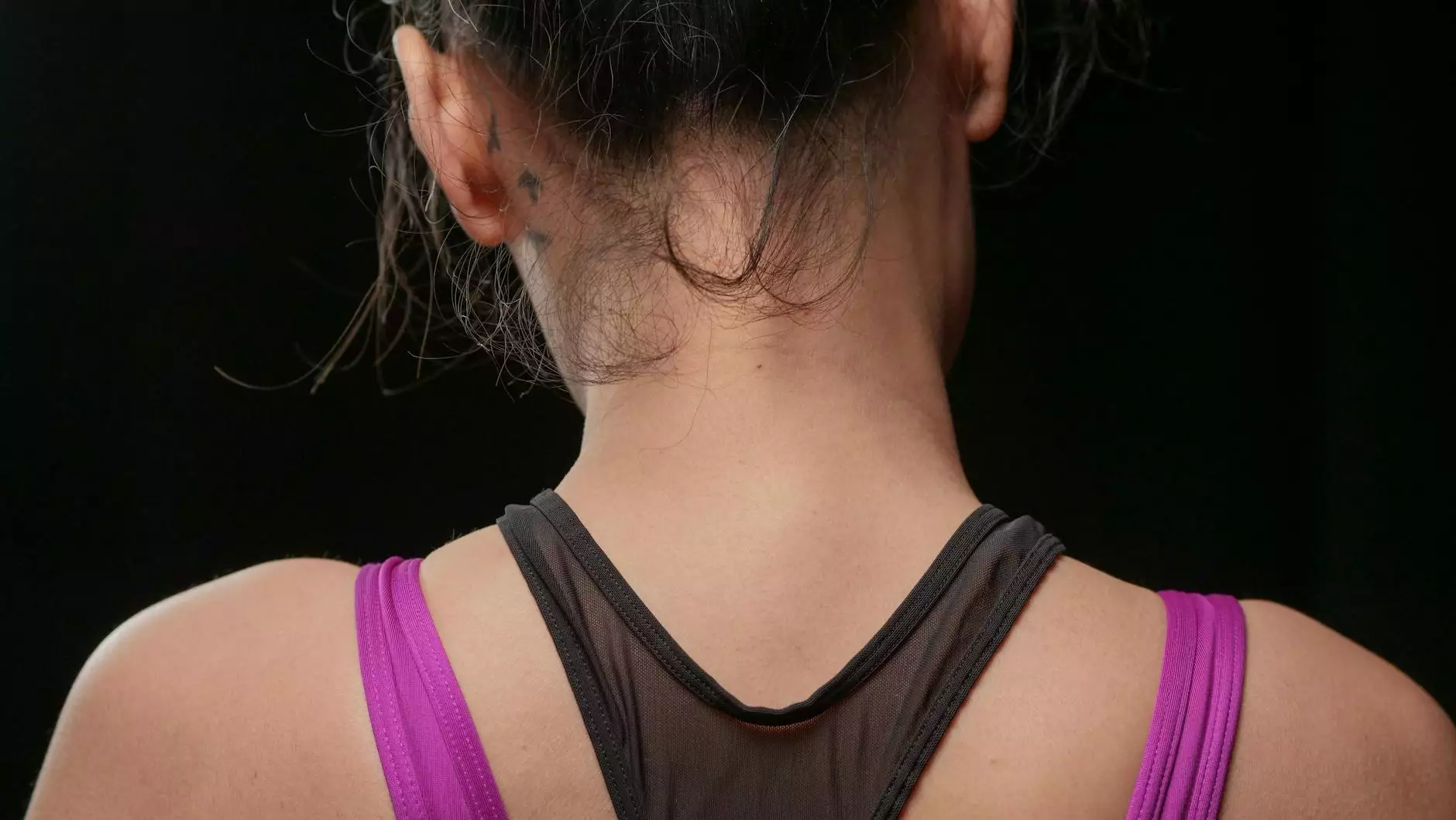
When discussing shoulder health, the conversation frequently highlights the significance of various muscles involved in movement and stability. One critical component of shoulder functionality is the shoulder external rotator. This article delves into the anatomy, function, and rehabilitation strategies concerning the shoulder external rotators, providing a comprehensive guide for healthcare providers, fitness professionals, and patients alike.
Understanding the Anatomy of Shoulder External Rotators
The shoulder's anatomy is complex and multifaceted, with a variety of muscles contributing to its function. The major muscles classified as shoulder external rotators include:
- Infraspinatus
- Teres Minor
- Posterior Deltoid
Each of these muscles plays a unique role in achieving external rotation of the shoulder while stabilizing the shoulder joint. Below, we examine these muscles in detail:
Infraspinatus
Located on the posterior aspect of the scapula, the infraspinatus is one of the four rotator cuff muscles. It originates from the infraspinous fossa and inserts on the greater tubercle of the humerus. Its primary function is to provide external rotation, ensuring stability during arm movements.
Teres Minor
Positioned below the infraspinatus, the teres minor assists in external rotation and adduction of the arm. Its role is vital for achieving a full range of motion and strength in the shoulder joint during various activities.
Posterior Deltoid
While primarily known for its role in shoulder abduction, the posterior deltoid also contributes to external rotation, further solidifying the shoulder's overall functional capacity.
The Importance of Shoulder External Rotators
The shoulder external rotators are essential not just for movement, but also for preventing injuries and maintaining overall shoulder health. Here are some key points highlighting their importance:
- Injury Prevention: Strong shoulder external rotators help stabilize the glenohumeral joint, reducing the risk of dislocation and other shoulder injuries.
- Postural Support: These muscles play a crucial role in maintaining proper posture by balancing the forces around the shoulder and upper back.
- Performance Enhancement: Athletes, especially those involved in throwing and swimming, benefit from well-developed external rotators, which enhance performance and efficiency in their respective sports.
- Rehabilitation: For patients recovering from shoulder injuries, strengthening the external rotators is often a critical component of successful rehabilitation.
Common Conditions Affecting Shoulder External Rotators
Although integral to shoulder function, the shoulder external rotators are prone to a variety of conditions that can impair movement and cause pain:
Rotator Cuff Tears
Rotator cuff tears are often devastating injuries affecting the infraspinatus and teres minor. They can occur due to acute trauma or chronic degeneration. Symptoms include pain, weakness, and limited range of motion.
Tendinitis
Inflammation of the rotator cuff tendons, commonly seen in overhead athletes, can cause significant discomfort and limit functionality. Treatment typically involves rest, ice, and rehabilitation focused on strengthening the external rotators.
Bursitis
Shoulder bursitis can occur due to repetitive motion or injury, leading to stiffness and pain in the shoulder. Targeted exercises aimed at the external rotators can alleviate symptoms and restore function.
Rehabilitation and Strength Training for Shoulder External Rotators
Rehabilitation of the shoulder external rotators focuses on restoring strength, flexibility, and functionality. Here are some effective strategies:
Assessment and Diagnosis
A thorough assessment by a healthcare professional is crucial. They will evaluate shoulder mobility, strength, and stability to tailor an individual rehabilitation program.
Specific Exercises
Incorporating targeted exercises for the shoulder external rotators helps improve strength and reduce the risk of injury. Some effective exercises include:
- External Rotation with Bands: Use resistance bands to perform external rotations at 90 degrees of shoulder abduction, ensuring to engage the rotator cuff.
- Side-Lying External Rotation: Lying on your side, hold a weight and rotate the shoulder externally, focusing on using the rotator cuff muscles.
- Face Pulls: Using a cable machine or resistance bands, face pulls target the external rotators and upper back to improve posture.
Incorporating Flexibility Training
Flexibility is equally important in shoulder rehabilitation. Techniques such as gentle stretching and yoga can enhance flexibility in the shoulder girdle. Key stretches include:
- Cross-Body Stretch: This can stretch the posterior shoulder muscles, including the rotators.
- Doorway Stretch: This stretch can help open up the anterior shoulder, balancing the muscles around the joint.
Preventive Measures for Optimal Shoulder Health
Aside from rehabilitation, prevention is key to maintaining shoulder health. Here are some proactive measures:
- Regular Strength Training: Engage in exercises targeting the rotator cuff as part of routine strength training to prevent weakness.
- Avoiding Overhead Activities: Be mindful of overexertion in sports or jobs that require overhead lifting to prevent strain on the external rotators.
- Ergonomics: Ensure proper posture and ergonomics during work and sports to reduce undue stress on the shoulder joint.
Conclusion: The Vital Role of Shoulder External Rotators
The shoulder external rotators play a fundamental role not just in shoulder mobility, but in overall upper body function and athletic performance. By understanding their anatomy, importance, and rehabilitation strategies, individuals can take proactive steps to enhance their shoulder health, prevent injuries, and improve functionality
Investing in shoulder health through targeted exercises and preventive measures is crucial for anyone, from elite athletes to those engaged in daily activities. Remember, when caring for your body, maintaining strong and functional shoulder external rotator muscles can lead to a more robust and resilient shoulder joint.
For more detailed insights into shoulder health and rehabilitation, visit iaom-us.com.