CNC Precision Turning Parts Factory: Revolutionary Solutions in Metal Fabrication
In the ever-evolving world of industrial manufacturing, the CNC precision turning parts factory plays a pivotal role in delivering high-quality, precise components that are fundamental to various sectors, including aerospace, automotive, medical, and electronics. This article delves into the nuances of CNC precision turning, showcasing the processes, benefits, and applications that make it a cornerstone of metal fabrication.
Understanding CNC Precision Turning
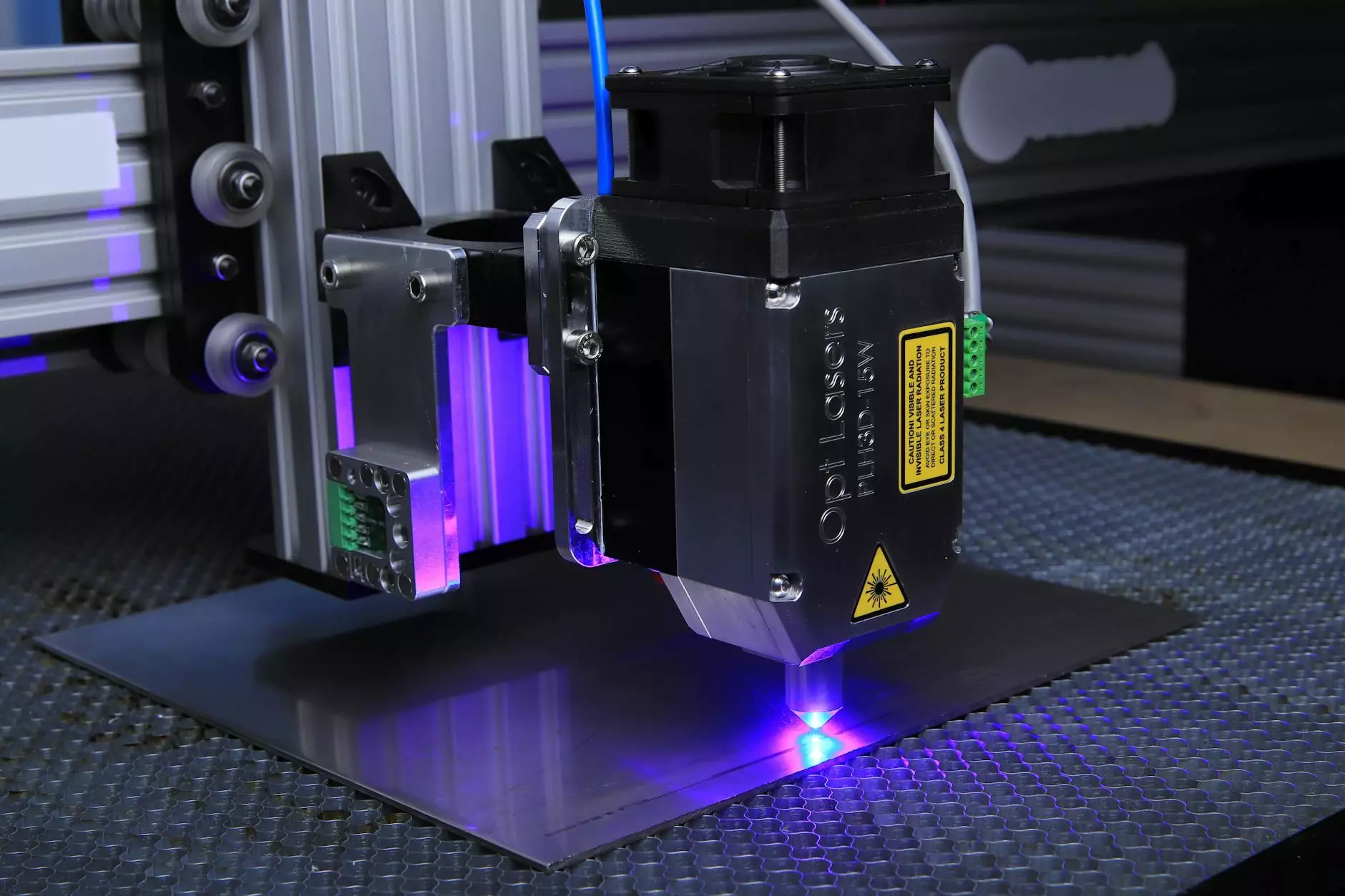
CNC, or Computer Numerical Control, is a method utilized in manufacturing that involves the use of computers to control machine tools. In the case of precision turning, CNC lathes are used to produce parts with exact specifications. The precision turning process involves rotating a part while a cutting tool is applied to shape it into the required form.
Why Choose CNC Precision Turning?
The advantages of utilizing a CNC precision turning parts factory include:
- High Precision: CNC technologies ensure that each part is crafted with outstanding accuracy, typically within microns.
- Consistency: Automated processes guarantee uniformity across all produced parts, which is vital for industries with stringent quality standards.
- Efficiency: CNC machines can operate continuously without fatigue, leading to enhanced productivity and reduced lead times.
- Complex Geometry: CNC precision turning allows for the production of complex shapes that would be challenging or impossible with conventional methods.
- Material Versatility: Various materials can be machined, including metals like aluminum, steel, brass, and more, making CNC precision turning adaptable for different applications.
The CNC Precision Turning Process
Understanding the processes involved in CNC precision turning is crucial for anyone looking to appreciate or engage with the industry. Here’s a step-by-step breakdown:
1. Designing the Part
The journey begins with precise designs usually created using CAD (Computer-Aided Design) software. This stage is vital as it defines the specifications, dimensions, and tolerances required for the component.
2. Programming the CNC Machine
Once the design is ready, it is translated into a CNC programming language, typically G-code. This code instructs the machine on how to move, what speed to maintain, and the specific operations to perform.
3. Material Selection
The selection of materials is critical, as it impacts the part's functionality, weight, and durability. Common metals include:
- Aluminum: Lightweight and corrosion-resistant, suitable for aerospace components.
- Stainless Steel: Offers strength and corrosion resistance, widely used in medical devices.
- Brass: Known for its excellent machinability, often applied in fixtures and fittings.
4. Machining Operations
With everything set, the CNC machine begins the machining process. The raw material is placed on the lathe, and as it spins, the cutting tool removes excess material, creating the desired part. The entire operation is monitored to maintain precision.
5. Quality Control
Once the part is manufactured, rigorous quality control checks are performed. This may involve measurements, visual inspections, and tests to ensure that the components meet the required specifications and standards.
Applications of CNC Precision Turning Parts
CNC precision turning is integral to numerous industries, with applications that span far and wide. Key applications include:
- Aerospace: Components such as engine parts and fasteners are produced with unparalleled accuracy to withstand extreme conditions.
- Automotive: Precision turning is used to manufacture critical engine and transmission components, contributing to vehicle performance.
- Medical: High-precision components for surgical instruments and implants, where accuracy is vital for performance and safety.
- Electronics: Production of precision components for devices, ensuring high functionality in compact designs.
Quality Assurance in CNC Precision Turning
At a CNC precision turning parts factory, quality assurance is paramount. The production process involves multiple layers of quality checks:
- In-Process Inspections: Throughout the machining process, operators verify the dimensions and quality of the parts.
- Final Inspection: Conducted after production, using tools like calipers and CMM (Coordinate Measuring Machines) to measure exact dimensions.
- Certification: Many factories adhere to ISO standards to ensure that their quality management systems are robust and reliable.
The Future of CNC Precision Turning
The landscape of CNC precision turning parts factories is rapidly evolving with advancements in technology. Notable trends include:
- Automation: Increased automation in manufacturing processes is leading to greater efficiency and reduced operational costs.
- Smart Manufacturing: Leveraging IoT (Internet of Things) to monitor machinery and predict maintenance needs, minimizing downtime.
- Sustainability: A shift towards eco-friendly practices, including waste reduction and energy-efficient technologies, is becoming increasingly important in manufacturing.
Choosing the Right CNC Precision Turning Parts Factory
When it comes to selecting a CNC precision turning parts factory, it's crucial to consider several factors that can impact quality and service:
- Experience: Look for factories with a proven track record and extensive experience in the industry.
- Technology: Ensure they use the latest CNC technology and machinery for optimal results.
- Customization: The ability to cater to unique specifications is a vital aspect of quality production.
- Customer Service: Strong communication and support throughout the project lifecycle can greatly enhance collaboration.
Conclusion
CNC precision turning is an essential component of modern manufacturing, driving innovation and efficiency across several industries. By choosing a reliable CNC precision turning parts factory such as deepmould.net, businesses can ensure they receive high-quality, precision-engineered parts that meet the demands of today’s competitive landscape. Embrace the future of manufacturing with cutting-edge CNC technology and unlock the potential for your business’s success!
For further information or inquiries regarding our precision turning services, visit us at deepmould.net.