The Vital Role of a Thoracic Doctor in Health Care
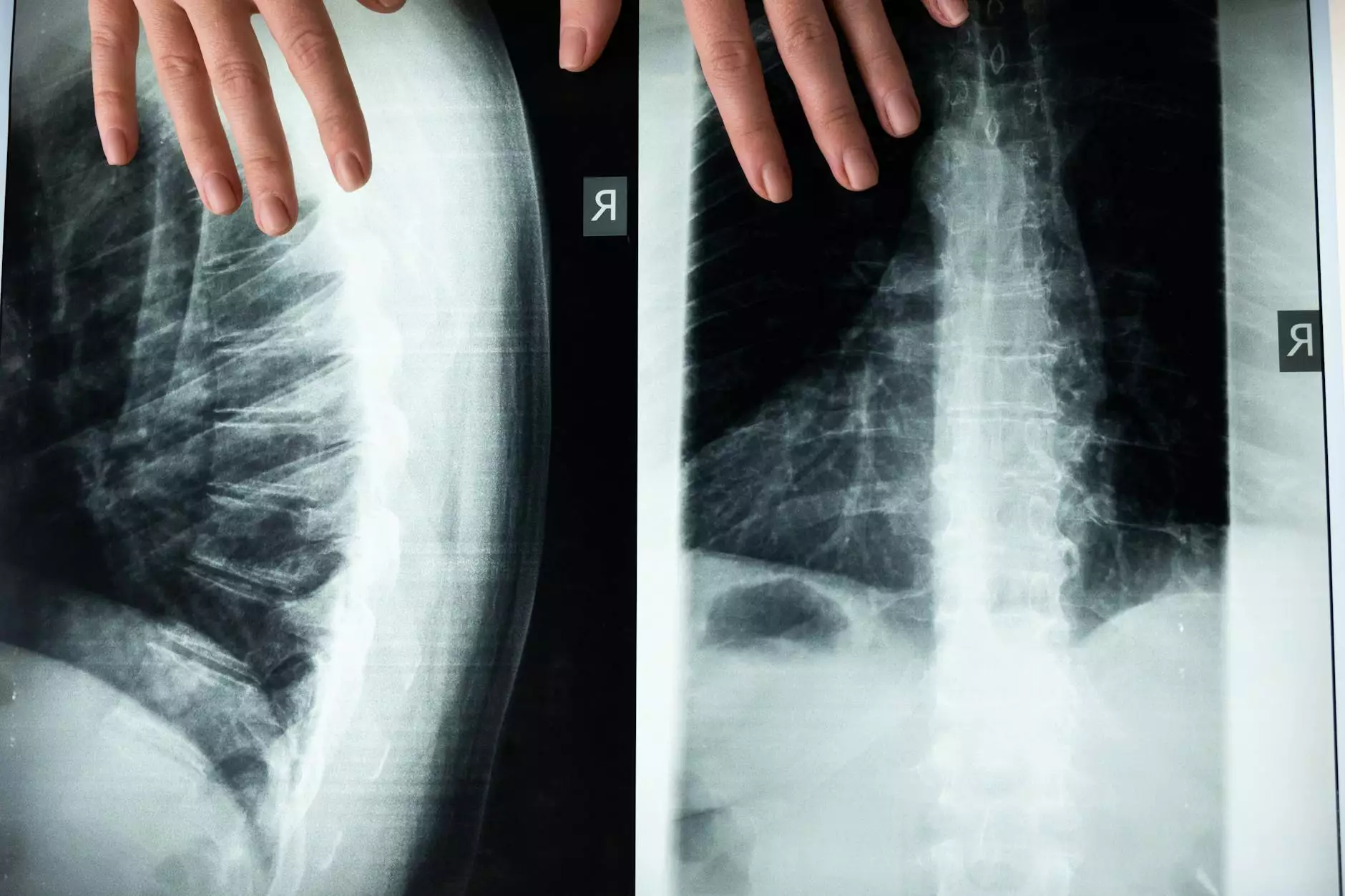
A thoracic doctor, also known as a thoracic surgeon, is a specialized medical professional who deals with disorders of the chest. This encompasses the treatment of diseases affecting the lungs, esophagus, trachea, and other structures within the thoracic cavity. Understanding the importance of a thoracic doctor can greatly influence your health outcomes, particularly for severe respiratory conditions or surgical needs. This article delves into the essential functions and services provided by thoracic doctors, and why they are crucial to the medical profession.
Understanding Thoracic Surgery
Thoracic surgery is a specialized field that requires rigorous training and a deep understanding of the complex systems of the chest. It involves both surgical procedures and non-surgical management of conditions that severely impact a patient's health. The thoracic doctor's role extends beyond just surgery; they participate in diagnosis, treatment, and post-operative care. Some common conditions treated include:
- lung cancer
- esophageal cancer
- benign and malignant tumors
- chest trauma
- respiratory infections
- thoracic aortic aneurysms
When to Consult a Thoracic Doctor?
Recognizing when to see a thoracic doctor is pivotal for effective diagnosis and treatment. Here are several indications that warrant a consultation:
- Persistent Chest Pain: Ongoing pain may indicate serious underlying conditions.
- Coughing Up Blood: This condition should be treated as an emergency.
- Severe Shortness of Breath: Sudden difficulty in breathing can be life-threatening.
- Unexplained Weight Loss: Sudden changes in weight can signal serious illness.
- Difficulty Swallowing: This could suggest a problem with the esophagus.
The Expertise of a Thoracic Doctor
One of the hallmarks of a thoracic doctor is their extensive training. After completing a medical degree, they undergo several years of residency to develop expert-level skills in both surgical and non-surgical treatments. This training enables them to address complex issues such as:
- Thoracotomy: An incision into the chest wall to access the thoracic cavity.
- Minimally Invasive Surgery: Techniques that require smaller incisions, leading to quicker recovery times.
- Video-Assisted Thoracoscopic Surgery (VATS): A type of minimally invasive surgery that uses a camera to guide the procedure.
- Endoscopic Procedures: Allowing evaluation and treatment of esophageal conditions.
Common Procedures Performed by Thoracic Doctors
Thoracic doctors perform a variety of surgical interventions based on their patients’ needs. Some of the most common procedures include:
- Lobectomy: Removal of a lobe of the lung, often due to cancer.
- Pneumonectomy: Removal of an entire lung.
- Esophagectomy: Surgical removal of part or all of the esophagus.
- Mediastinoscopy: A procedure to inspect the mediastinum, or central part of the chest.
- Thoracentesis: Removal of fluid from the chest to relieve pressure or for diagnostic purposes.
The Importance of Multidisciplinary Care
A thoracic doctor's role is often integrated into a larger team approach to health care. This multidisciplinary collaboration involves oncologists, pulmonologists, radiologists, and primary care providers. The benefits of this collaborative approach include:
- Comprehensive Treatment Plans: Ensuring that all aspects of a patient's health are addressed.
- Enhanced Recovery: Improved outcomes through shared expertise.
- Patient Education: Providing thorough information about treatment options.
Technological Advances and Their Impact
The field of thoracic medicine is continuously evolving, with technological innovations enhancing surgical techniques, data collection, and patient monitoring. Some of these advancements include:
- Robotic Surgery: Providing surgeons with enhanced precision and control.
- Advanced Imaging Techniques: Such as CT scans and MRIs that allow for better diagnosis.
- Telemedicine: Enabling remote consultations and follow-ups for convenience and accessibility.
Choosing the Right Thoracic Doctor
Selecting the right thoracic doctor is imperative for achieving the best health outcomes. Consider these factors when making your choice:
- Credentials and Experience: Look for board certification and years of experience in thoracic surgery.
- Hospital Affiliation: Ensure they are associated with a reputable medical center.
- Patient Reviews: Consider testimonials or ratings from previous patients.
- Communication Style: Choose a doctor who listens and addresses your concerns thoroughly.
Post-operative Care and Recovery
The journey with a thoracic doctor doesn’t conclude after surgery. Post-operative care is critical for ensuring a successful recovery. Patients should follow these guidelines:
- Attend Follow-Up Appointments: Necessary to monitor healing and progress.
- Discuss Symptoms: Always inform your doctor about any new or unusual symptoms.
- Nutrition and Exercise: Adopting a balanced diet and gentle exercise can facilitate recovery.
Conclusion
In summary, a thoracic doctor is an indispensable asset in the realm of healthcare, offering vital surgical and non-surgical interventions that significantly impact patient outcomes. With their specialized training, in-depth knowledge, and commitment to patient care, they address some of the most challenging health issues affecting the thoracic region. It’s essential to recognize when to seek their expertise and ensure that you choose the right professional for your health needs.
For more detailed insights and to find experienced thoracic doctors, visit neumarksurgery.com. Your health deserves the best care from those who specialize in it.