Discovering the World of Firewood: Quality, Types, and Purchasing Guide
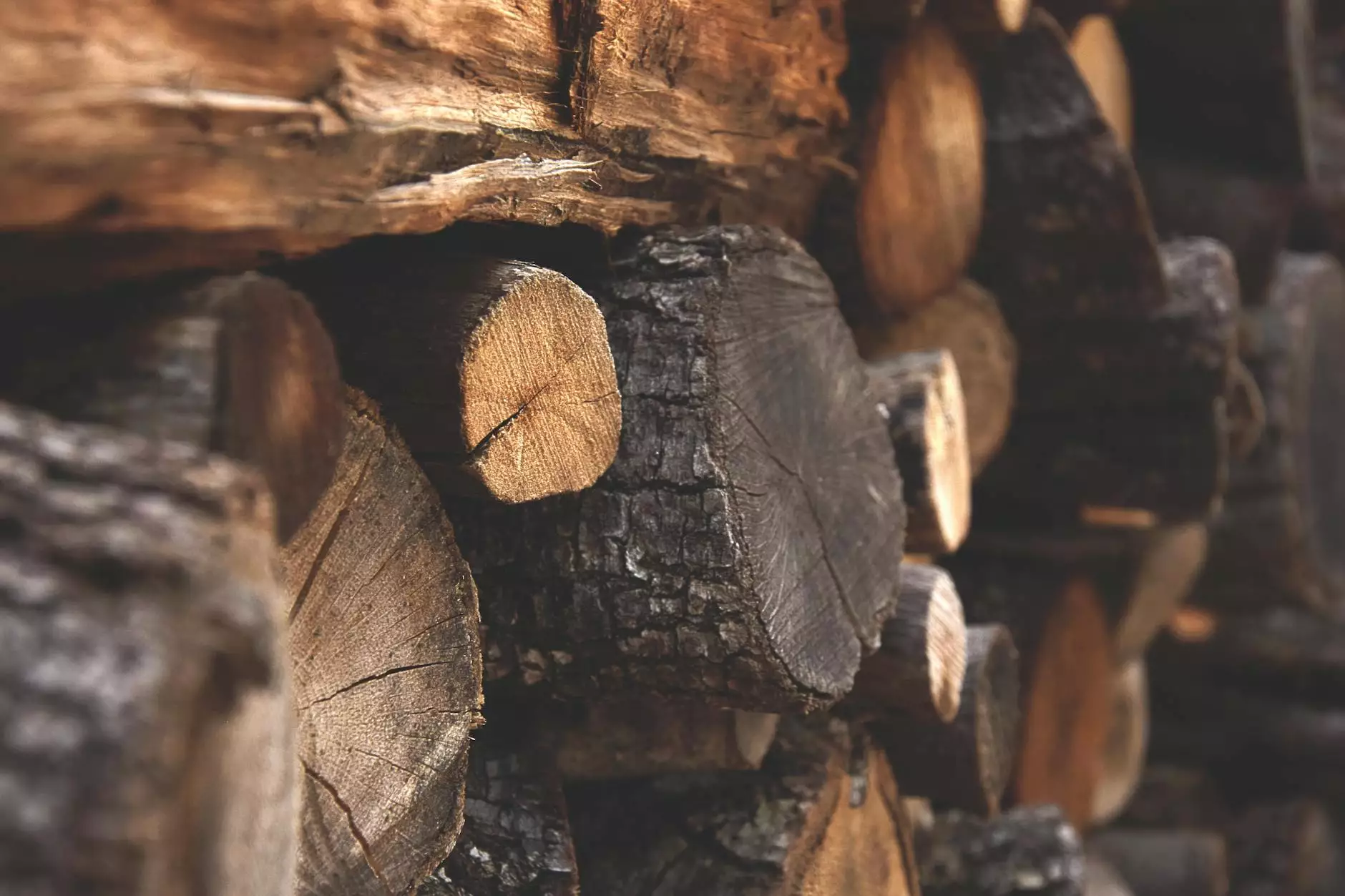
When it comes to heating your home or creating a cozy atmosphere, firewood is a time-honored solution that has catered to humanity's needs for thousands of years. This article will delve deep into the realm of firewood—from its types and benefits to tips on selecting the best quality options available at https://wood-trans.com/.
Why Firewood is Essential for Your Home
Firewood serves multiple purposes, making it a valuable resource:
- Heating: Firewood remains one of the most effective and cost-efficient ways to heat your home, especially during harsh winters.
- Aesthetic Appeal: A roaring fire creates an inviting atmosphere that can't be matched by electric heating.
- Cooking: Many culinary enthusiasts cherish the unique flavors imparted by cooking over an open fire.
- Eco-Friendly: When sourced sustainably, firewood can be a renewable energy source.
Understanding Different Types of Firewood
When purchasing firewood, it's crucial to know the different types available. Each type has unique properties that can affect performance, burn time, and heat generation. Below are the most common categories:
Hardwood vs. Softwood
Firewood is generally classified into two main categories: hardwood and softwood. Each has its pros and cons:
- Hardwood: This wood comes from deciduous trees like oak, maple, and hickory. It tends to burn longer and produce more heat, making it ideal for heating and long-lasting fires.
- Softwood: Sourced from coniferous trees such as pine and spruce, softwood typically ignites faster but burns out more quickly. It's great for starting fires but not ideal for maintaining prolonged heat.
Popular Firewood Options
In addition to the hardwood and softwood classifications, here are several popular firewood options:
- Oak: Known for its high density and excellent heat output.
- Maple: Offers a longer burn time with a steady flame and pleasant aroma.
- Pine: While it lights easily, its sap can create creosote buildup, making it a less desirable option for regular use.
- Birch: Burns quickly and clean, producing minimal smoke.
Understanding Firewood Quality
Not all firewood is created equal. The quality of firewood influences both efficiency and safety when burning.
Factors Determining Firewood Quality
When purchasing firewood, consider the following factors:
- Moisture Content: Freshly cut wood contains a lot of moisture, resulting in less heat output and more smoke. Look for firewood with a moisture content below 20% for optimal burning.
- Seasoning: Properly seasoned firewood has been dried for at least six months. This process reduces moisture content and makes for a cleaner burn.
- Size and Split: Firewood should be cut to suitable lengths, typically 16 inches for most fireplaces. Splitting the wood into smaller pieces aids in quicker drying and easier ignition.
The Benefits of Using High-Quality Firewood
Using high-quality firewood brings numerous advantages:
- Efficiency: Quality firewood burns hotter and longer, providing more consistent heat, reducing the need for frequent refueling.
- Healthier Environment: Quality wood produces fewer emissions and less smoke, contributing to a healthier atmosphere for your home.
- Cost-Effectiveness: Investing in high-quality firewood means spending less on fuel over time due to its efficiency and longer burn duration.
How to Choose the Right Firewood for Your Needs
Choosing the right firewood can significantly enhance your heating experience. Here are a few tips to guide your decision:
- Consider Your Heating Needs: Assess how much heat you require based on the size of your space. If you have a larger area, opt for hardwood varieties that burn longer.
- Check Availability: Ensure the type of wood you prefer is readily available in your region. Some areas may have better access to certain hardwoods or softwoods.
- Purchase Seasoned Wood: Always buy seasoned firewood from reputable suppliers like https://wood-trans.com/ to ensure you get the best quality.
Storing Your Firewood Properly
Proper storage is essential for maintaining the quality of firewood. Here are effective methods for storing firewood:
- Keep it Dry: Store firewood off the ground on pallets or racks to prevent moisture absorption from the soil.
- Cover with Tarps: While it's essential to keep the sides open for air circulation, covering the top can protect it from rain and snow.
- Avoid Indoor Storage: Storing firewood indoors can introduce pests and excess moisture into your home, so it’s best kept outside.
Firewood as an Eco-Friendly Energy Source
As society becomes more environmentally conscious, the shift towards sustainable energy sources is growing. Here’s why firewood stands out as an eco-friendly option:
- Renewable Resource: When sourced from sustainable forests, firewood can be a renewable and carbon-neutral resource that supports ecological balance.
- Less Dependency on Fossil Fuels: Using firewood can decrease reliance on non-renewable energy sources, reducing carbon footprints.
- Local Economy Support: Purchasing firewood from local suppliers strengthens community businesses and promotes economic growth.
Conclusion: Embrace the Warmth of Quality Firewood
Firewood is more than just a product; it's a source of warmth, comfort, and connection to nature. By choosing high-quality firewood from suppliers like https://wood-trans.com/, you can ensure an enjoyable and efficient experience whether you are heating your home or hosting a delightful evening around the fire pit.
Ultimately, understanding the types of firewood, recognizing quality indicators, and following proper storage techniques can pivot your fireplace or wood stove from a basic heating solution to a central feature of your home’s warmth and charm.