Essential Guide to Grain Monitoring Equipment for Modern Farming
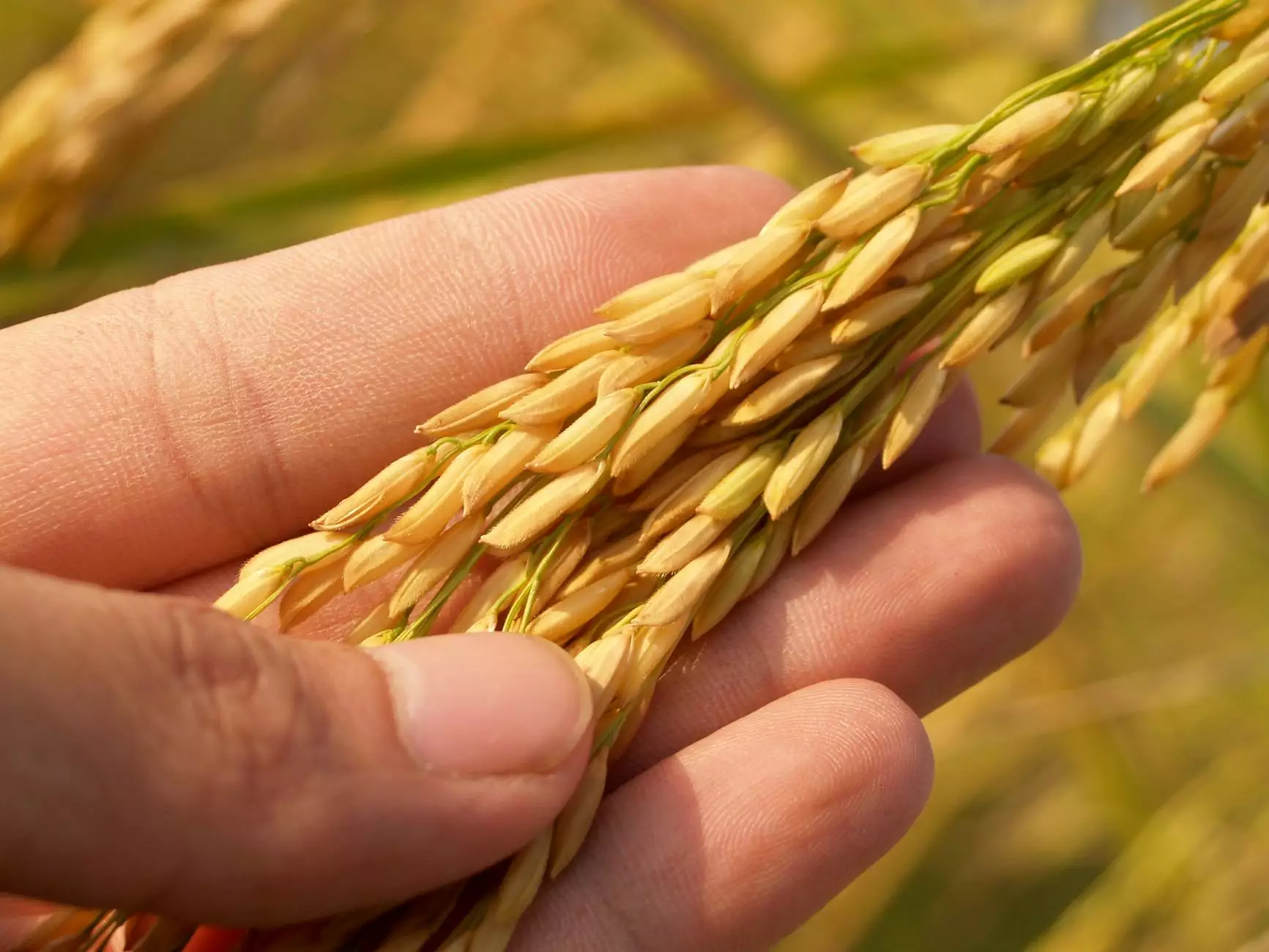
Grain monitoring equipment is an invaluable asset in today’s agricultural landscape, greatly enhancing the efficiency and efficacy of farming operations. As we venture into an era where technology and agriculture converge, understanding the fundamentals of grain monitoring equipment becomes essential for any farmer or business involved in the agricultural supply chain.
Understanding Grain Monitoring Equipment
Grain monitoring equipment encompasses a variety of tools and technologies designed to gauge the condition, quality, and quantity of grain throughout the entire supply chain—from the field to storage facilities. These systems utilize cutting-edge technology to provide real-time data, ensuring farmers can make informed decisions that directly impact productivity and profitability.
The Importance of Grain Monitoring Equipment
In modern agriculture, the ability to monitor grain closely is crucial for several reasons:
- Improved Quality Control: Grain monitoring systems help identify the quality of grains by measuring moisture levels, temperature, and potential spoilage. This timely information allows farmers to take corrective actions to prevent loss.
- Increased Yield Efficiency: By closely monitoring grain conditions, farmers can optimize harvest times and minimize waste, thus ensuring maximum yield output.
- Cost-Effective Operations: Investing in grain monitoring technology leads to reduced costs over time. By stopping issues before they snowball, farmers save money and resources.
- Data-Driven Decisions: Accurate, real-time data allows for better management decisions regarding storage, transportation, and marketing of grain products.
Types of Grain Monitoring Equipment
The range of grain monitoring equipment is extensive and varies depending on the specific needs of a farm. Here are some of the most common types:
1. Grain Analyzers
Grain analyzers are devices used to assess the quality of grain based on factors such as humidity, protein content, and grain size. These portable devices can provide instant readings, allowing farmers to make immediate decisions about harvest timing and storage.
2. Moisture Meters
Moisture meters are essential for understanding the water content within harvested grains. Too much moisture can lead to spoilage and loss, making these meters crucial for ensuring grains are stored safely. The ability to monitor moisture levels helps farmers decide when to dry grains before storage.
3. Temperature Probes
Temperature is another critical factor affecting grain quality. Temperature probes can be integrated into storage facilities to continuously measure the temperature of the grain. A rise in temperature often indicates spoilage or insect activity, allowing timely intervention.
4. Digital Monitoring Solutions
With the advancement of technology, many companies now offer digital grain monitoring systems, which provide comprehensive data analytics and insights. These systems can often be integrated with smartphones or computers, allowing farmers to monitor grain conditions remotely.
Benefits of Implementing Grain Monitoring Systems
Implementing grain monitoring equipment offers numerous advantages that extend beyond basic quality assurance:
- Enhanced Storage Management: By continuously monitoring the conditions inside storage bins, farmers can optimize their storage strategies—minimizing spoilage chances and preserving grain quality over time.
- Better Supply Chain Management: Real-time data allows farms to effectively communicate grain conditions throughout the supply chain, ensuring that all parties—producers, distributors, and retailers—stay informed and can act accordingly.
- Regulatory Compliance: Many regions have regulations around food safety and quality. Grain monitoring equipment aids farmers in maintaining compliance with these regulations, thus avoiding penalties and protecting their businesses.
Challenges in Grain Monitoring
While benefiting from grain monitoring equipment is substantial, it is essential to recognize the challenges that come with it:
- Initial Investment: The upfront cost of high-quality grain monitoring equipment may discourage some farmers from investing. However, their long-term benefits typically offset these initial costs.
- Technology Integration: Farmers accustomed to traditional farming methods may find it challenging to integrate new technologies into their routines. However, education and support can significantly ease this transition.
Choosing the Right Grain Monitoring Equipment
Selecting the appropriate grain monitoring equipment involves considering various factors:
1. Assessing Needs
Understanding your specific operational requirements is vital. Consider the type of grains you produce, your storage conditions, and the scale of your operations. This information will guide you in selecting equipment that meets your needs without overspending.
2. Researching Brands and Technologies
Research various brands and their offerings. Look for established companies known for high-quality grain monitoring equipment. Reading customer reviews and seeking industry recommendations can be beneficial.
3. Consulting Experts
If possible, consult with agricultural experts who can provide insights into the latest trends and technologies that enhance grain monitoring practices.
Future Trends in Grain Monitoring
As technology progresses, grain monitoring equipment continues to evolve. Here are some trends that may shape the future of grain monitoring:
- IoT Integration: The Internet of Things (IoT) will increasingly play a role, allowing for enhanced connectivity and data sharing among various tools, providing farmers with comprehensive insights.
- Artificial Intelligence: AI can potentially revolutionize grain monitoring by providing predictive analytics based on historical data, allowing farmers to anticipate problems before they arise.
- Automation: Automated grain monitoring systems will become more prevalent, minimizing the need for manual checking and promoting efficiency in operations.
Conclusion
Investing in grain monitoring equipment is not just a decision to enhance operating efficiency; it is a move towards smarter agriculture that prioritizes sustainability and productivity. By leveraging the available technologies, farmers can ensure high-quality grain production while meeting market demands effectively.
As the agricultural sector continues to evolve, embracing grain monitoring technology will be pivotal for those aiming to stay competitive in the ever-changing landscape of modern farming. Whether you are in the initial stages of considering grain monitoring systems or looking to upgrade your existing equipment, you are making a significant investment in the future of your farm.
For those based in the farming heartland seeking professional advice and diligent services, tsgcinc.com provides invaluable assistance in not only acquiring but also maintaining high-end grain monitoring equipment tailored to your specific needs.