Swing vs Scalping: Understanding Trading Strategies
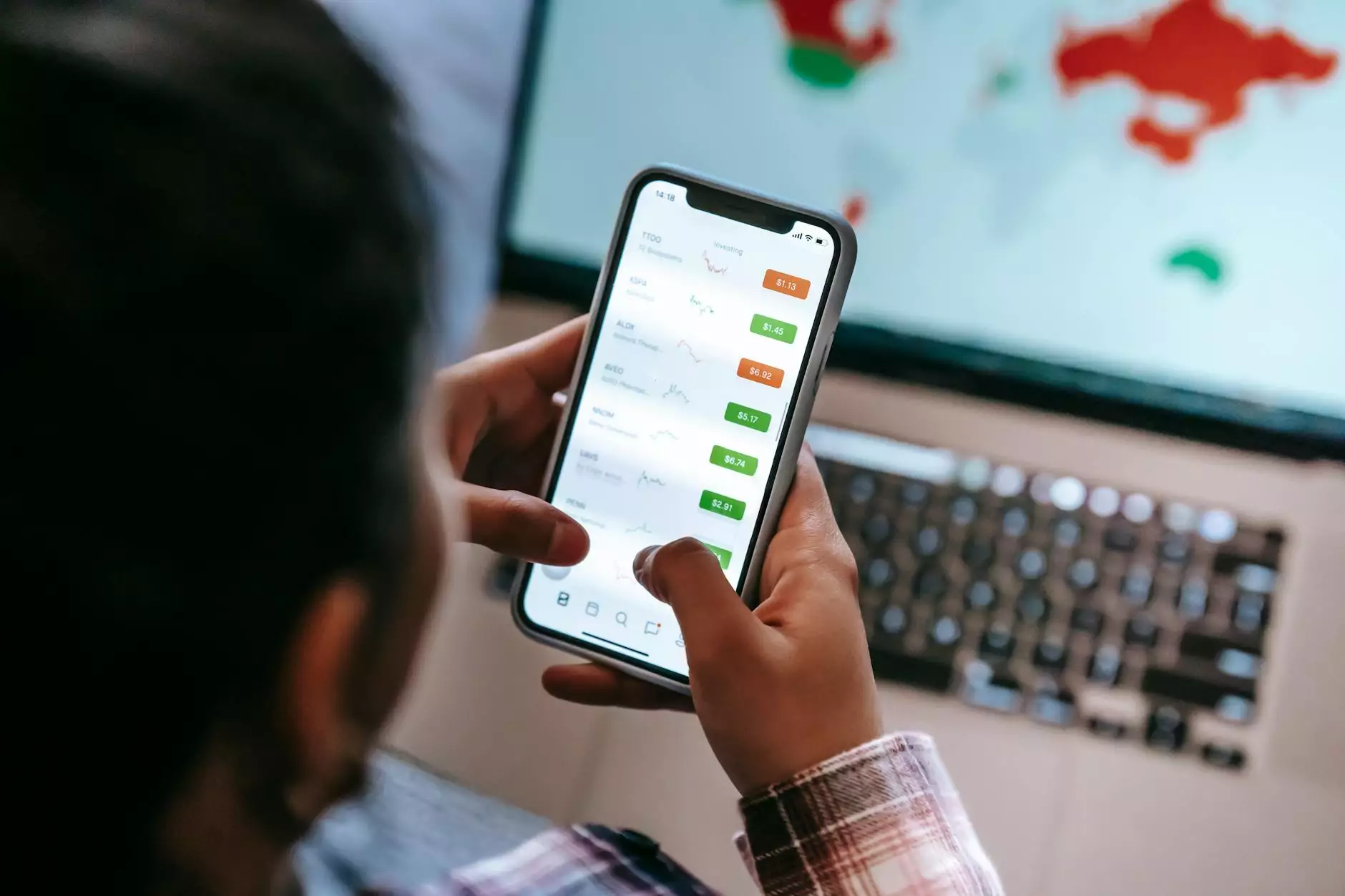
In the world of trading, two highly discussed strategies, swing trading and scalping, often draw attention. Both strategies are popular amongst traders seeking to maximize profits in the dynamic financial markets. This article will provide a thorough examination of the differences between these two strategies, their benefits, and how traders can effectively employ them in various market scenarios. Furthermore, we will explore how these principles can be linked to our services at Bullrush.com in the sectors of IT Services & Computer Repair, Financial Services, and Financial Advising.
What is Swing Trading?
Swing trading is a medium-term trading strategy that aims to capture price movements over several days to weeks. Swing traders make use of technical analysis and chart patterns to identify potential entry and exit points. They typically hold positions longer than day traders but shorter than long-term investors. The fundamental idea behind swing trading is to profit from the volatility in the market without the need for constant monitoring.
Features of Swing Trading
- Time Frame: Positions are usually held for several days to weeks.
- Market Analysis: Focuses on both technical and fundamental analysis.
- Risk Management: Often employs stop-loss orders to mitigate risk.
- Less Time Intensive: Doesn’t require constant market monitoring, making it suitable for part-time traders.
The Benefits of Swing Trading
One of the primary advantages of swing trading is its flexibility. Here are some compelling benefits:
- Flexibility in Time Commitment: Unlike day trading, swing traders do not have to dedicate their entire day to trading, allowing individuals to have other commitments such as work or family.
- Potential for High Returns: By utilizing leverage and taking advantage of volatility, skilled swing traders can achieve substantial returns.
- Ability to Analyze Trends: Swing trading allows for a comprehensive analysis of market trends, enabling traders to make informed decisions.
- Psychological Benefits: The longer holding periods can reduce the emotional strain typically associated with rapid trading decisions.
Who Should Consider Swing Trading?
Swing trading may be appealing to various traders:
- Working Professionals: Ideal for those with a full-time job who want to partake in the financial markets without constant oversight.
- Part-Time Traders: Great for individuals who want to create an additional income stream while managing other life commitments.
- Traders Seeking Style Diversification: Those looking to balance their trading portfolio with different strategies may find swing trading beneficial.
What is Scalping?
Scalping is a short-term trading strategy aimed at profiting from small price changes. Scalpers typically hold positions for a few seconds to minutes, executing numerous trades throughout a trading session. The primary goal of scalping is to 'scalp' small profits consistently throughout the trading day, which can accumulate to significant gains.
Features of Scalping
- Time Frame: Positions are held for a very short duration.
- High Frequency of Trades: Traders often execute many trades in a single day.
- Technical Analysis Focus: Relies heavily on market indicators and charting tools.
- Requires Real-Time Monitoring: Due to quick trades, scalpers must stay alert to market movements at all times.
The Benefits of Scalping
Scalping has its own set of advantages that attract traders looking for quick and consistent gains:
- Quick Profits: Scalping allows for rapid profit realization, making its appeal clear to those looking for immediate outcomes.
- Minimal Overnight Risk: Trades are usually closed before the market closes, which eliminates the risk associated with overnight fluctuations.
- Keeping Capital in Motion: Capital is engaged consistently throughout the day, which can lead to higher overall yearly returns.
- High Engagement: Scalpers thrive on the adrenaline of active trading, often leading to a highly involved trading experience.
Who Should Consider Scalping?
While it can be exhilarating, scalping is not suitable for everyone. Those best suited for this strategy include:
- Highly Experienced Traders: Individuals with a deep understanding of market mechanics are more likely to succeed.
- Quick Decision-Makers: Scalping requires rapid decision-making and execution; hence, traders must be quick and efficient.
- Day Traders: Traders who have dedicated time to monitor the markets continuously may find scalping matches their skillset perfectly.
Comparing Swing and Scalping: Swing Vs Scalping
When we dive into the comparison of swing vs scalping, we can outline some key differences:
AspectSwing TradingScalpingTime FrameDays to weeksSeconds to minutesNumber of TradesFewer tradesNumerous tradesAnalysis MethodTechnical and fundamentalPrimarily technicalRisk ExposureMore extended exposureMinimal exposureIdeal forPart-time traders, professionalsFull-time traders, quick decision-makersHow to Choose the Right Strategy for You
Deciding between swing trading and scalping should be based on your personal circumstances, including:
- Available Time: Assess how much time you can dedicate to trading. For full-time availability, scalping may be a viable option, while part-time traders might prefer swing trading.
- Risk Tolerance: Understand your risk appetite. Those comfortable with significant short-term risks may be more suited to scalping.
- Trading Experience: New traders may find engaging in swing trading less stressful compared to the rapid nature of scalping.
- Market Conditions: Consider broader market trends and conditions when determining which strategy to employ.
Integrating Technology into Your Trading Strategy
In today’s fast-paced trading environment, leveraging technology is critical. At Bullrush.com, we emphasize the importance of integrating technological tools to enhance both swing trading and scalping.
Tools and Platforms for Trading
- Trading Software: Programs such as MetaTrader, Thinkorswim, and TradingView provide robust charting and analysis features that are invaluable for traders.
- Algorithmic Trading: Automated trading systems can execute trades based on predefined parameters, enabling scalpers to capitalize on tiny price fluctuations instantly.
- Market Indicators: Utilizing tools like moving averages, Bollinger Bands, and RSI can help traders make informed decisions.
- Mobile Trading Apps: With various apps available, traders can monitor their portfolios and execute trades on the go.
Conclusion: A Balanced Approach
In conclusion, whether you choose swing trading or scalping ultimately depends on your individual trading style, risk preferences, and market engagement level. Both strategies have unique advantages and can potentially be profitable when executed with diligence and skill. By understanding the intricacies of each approach and considering your personal circumstances, you can select a trading method that aligns with your goals. Remember, investing in your education and harnessing the right technological tools can further assist you in your trading journey.
For tailored advice and professional support in navigating the financial markets, consider reaching out to the experts at Bullrush.com where we provide comprehensive IT Services & Computer Repair, Financial Services, and Financial Advising to help you succeed in your trading endeavors.