Hysterectomy Procedure Options: A Comprehensive Guide
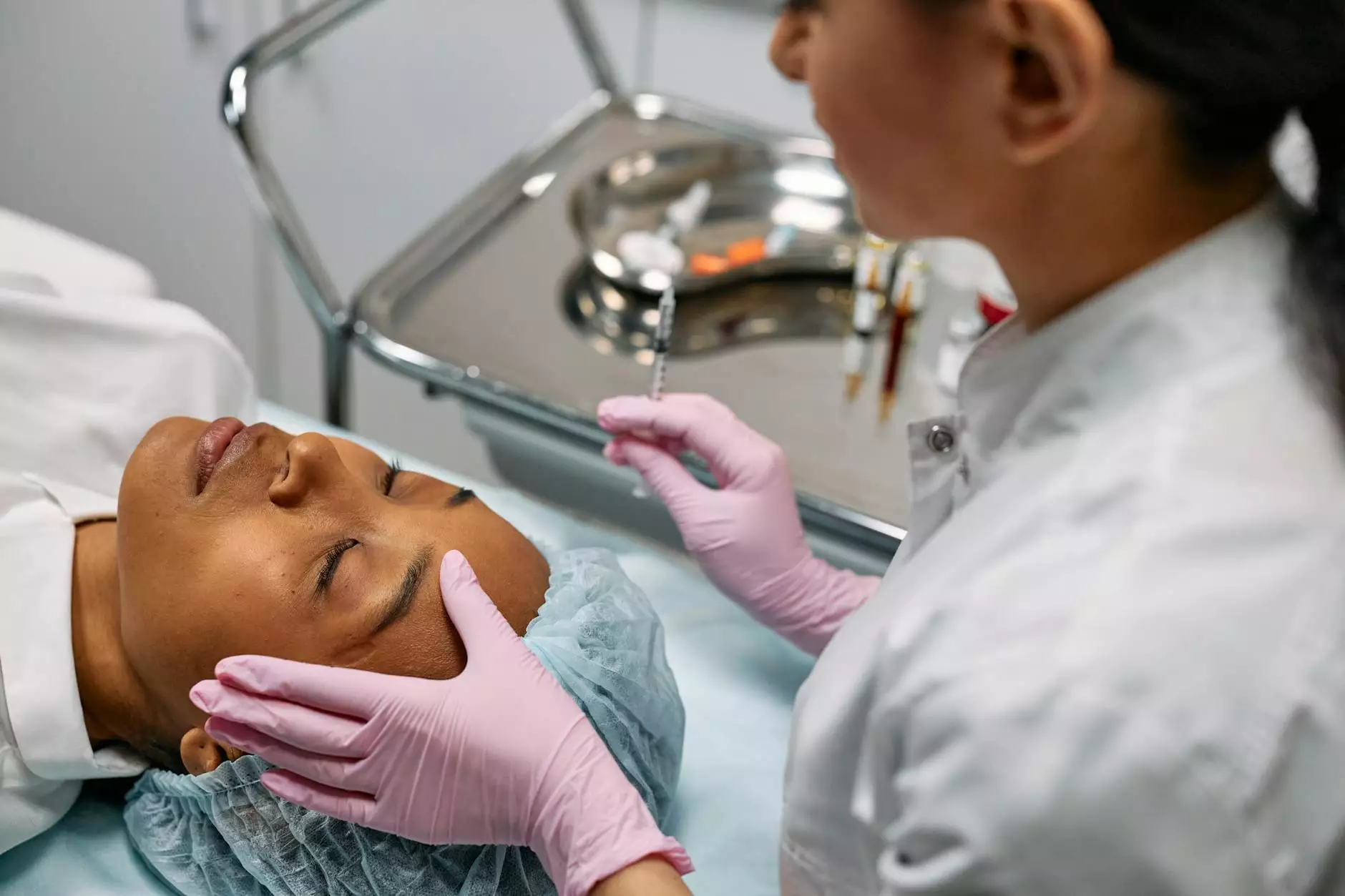
When it comes to women's health, few surgical procedures are as significant and life-altering as a hysterectomy. Understanding the various hysterectomy procedure options can empower women to make informed decisions regarding their health. Dr. Seckin’s practice provides in-depth knowledge and expertise in the realm of gynecology, ensuring that patients receive the best care tailored to their specific needs.
What is a Hysterectomy?
A hysterectomy is a surgical procedure that involves the removal of the uterus. Depending on the individual circumstances, the procedure may also include the removal of the cervix, ovaries, or fallopian tubes. This surgery is performed to treat numerous medical conditions, including:
- Uterine fibroids - noncancerous growths that can cause pain and heavy bleeding.
- Endometriosis - a condition where uterine tissue grows outside the uterus.
- Uterine prolapse - when the uterus descends into the vaginal canal.
- Cancer - of the uterus, cervix, or ovaries.
- Abnormal bleeding - that doesn’t respond to other treatments.
Types of Hysterectomy Procedures
Understanding the hysterectomy procedure options available can help women make the best choices for their health. The main types include:
1. Total Hysterectomy
A total hysterectomy involves the removal of the entire uterus along with the cervix. This procedure is often recommended for women who have serious health concerns affecting the uterine tissues or those facing cancer diagnoses in the reproductive organs.
2. Partial Hysterectomy (Subtotal or Supracervical Hysterectomy)
This procedure entails the removal of the upper part of the uterus while leaving the cervix intact. It is often recommended for women who may wish to preserve cervical functions or those who do not have cancerous conditions.
3. Radical Hysterectomy
A radical hysterectomy typically involves the extensive removal of the uterus, cervix, surrounding tissues, and part of the upper vagina. This procedure is often performed in cases of cervical cancer and may include removal of nearby lymph nodes for comprehensive cancer treatment.
4. Laparoscopic Hysterectomy
Laparoscopic hysterectomy is a minimally invasive surgical option. This technique involves small incisions through which surgical instruments and a camera are inserted, leading to quicker recovery times, reduced pain, and less scarring.
5. Robotic-Assisted Hysterectomy
Similar to laparoscopic procedures, robotic-assisted hysterectomy uses a robotic system to enhance precision and control during the surgery. This method can lead to less pain, fewer blood loss, and a swift recovery.
Benefits of Hysterectomy
The decision to pursue a hysterectomy can be life-changing. Some of the prominent benefits include:
- Relief from Symptoms: Most women report significant relief from chronic pain, excessive bleeding, or other distressing symptoms following surgery.
- Improved Quality of Life: Many women find that after a hysterectomy, they experience a marked improvement in their daily activities and overall well-being.
- Reduced Cancer Risk: In cases where a hysterectomy is performed due to cancer or the risk of cancer, women find peace of mind knowing that they have taken a proactive step in safeguarding their health.
Considerations and Risks
While a hysterectomy offers several benefits, it’s essential to understand the potential risks and considerations:
- Menopause: If ovaries are removed during the procedure, women may enter menopause immediately, leading to symptoms like hot flashes and mood swings.
- Infertility: A hysterectomy eliminates the possibility of becoming pregnant, which can have significant emotional implications for some women.
- Surgical Risks: As with any surgery, risks such as infection, bleeding, or complications with anesthesia exist.
- Emotional Impact: The emotional ramifications of undergoing a hysterectomy can vary; seeking support through counseling or support groups is advised.
Preparing for a Hysterectomy
Preparation is critical to a successful surgical outcome. Here are steps to take in consultation with your healthcare provider:
- Understand Your Procedure: Discuss the type of hysterectomy recommended and its implications.
- Pre-Operative Tests: Your doctor may recommend blood tests, imaging studies, or other evaluations.
- Medications: Prepare a list of medications you are taking and consult your doctor about any necessary adjustments.
- Support System: Arrange for help at home post-surgery as recovery may require assistance with daily activities.
- Follow Instructions: Adhere to all pre-surgical instructions provided by your healthcare team.
Recovery After Hysterectomy
The recovery period post-hysterectomy varies depending on the type of surgery performed. Here are some general guidelines:
- Hospital Stay: Depending on the procedure, your hospital stay may last from one night to several days.
- Physical Activities: Patients are usually advised to avoid heavy lifting, strenuous activities, and sexual intercourse for approximately 6 to 8 weeks after the surgery.
- Follow-Up Appointments: Regular follow-up visits are crucial to monitor healing and address any concerns that may arise.
Emotional Support
A hysterectomy can significantly impact a woman’s emotional health. It is crucial to seek support, whether from loved ones or professional counselors. Joining support groups or forums can also help women connect with others who have undergone similar experiences, providing valuable insights and emotional relief.
Conclusion
Understanding the hysterectomy procedure options available empowers women to make informed choices regarding their health. Whether seeking relief from debilitating symptoms or addressing critical health issues, a hysterectomy can be a transformative solution. At Dr. Seckin’s practice, expert care and compassion are prioritized, ensuring that every patient receives the personalized treatment they deserve.
For more information on hysterectomy procedures or to schedule a consultation, visit drseckin.com today.