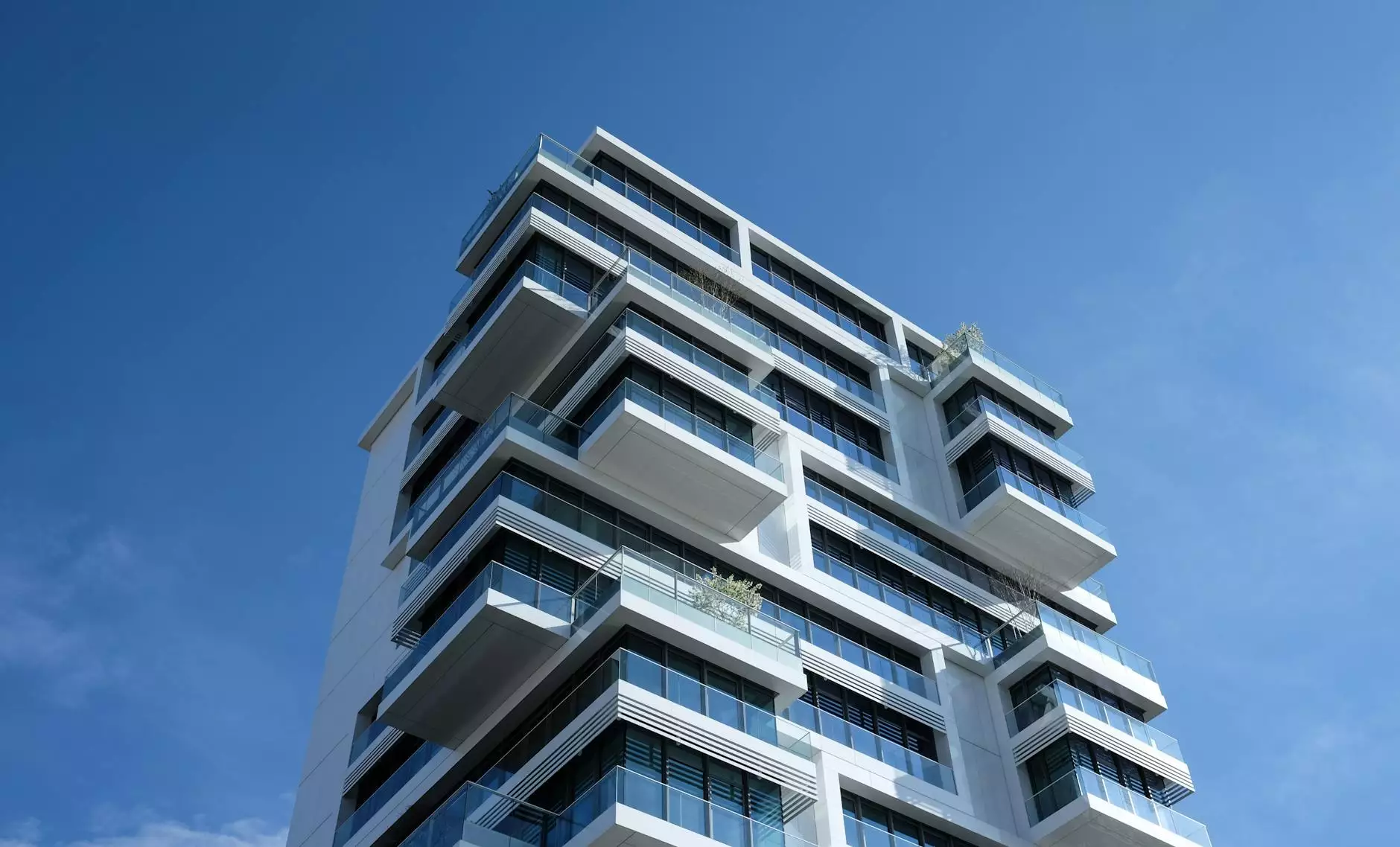
Transforming Spaces: The Role of an Agency of Architecture

The world of architecture is dynamic and ever-evolving, with architects serving as the minds and hands that shape the spaces we inhabit. An agency of architecture is not just a group of designers; it is a crucible of creativity, innovation, and technical mastery that brings a vision to life. In this article, we will delve into the essential functions of an architecture agency and explore how they impact both residential and commercial environments.
Understanding the Agency of Architecture
At its core, an agency of architecture is a professional organization that specializes in designing buildings and spaces. Their work encompasses a variety of processes that include:
- Concept Development: This is where the initial ideas for a project are formed, taking into consideration the client's vision, objectives, and the context of the location.
- Design and Planning: Architects create detailed plans and designs, utilizing tools such as sketches, computer-aided design (CAD), and 3D modeling to visualize the intended outcome.
- Project Management: From inception to completion, they oversee the construction process, ensuring that the project adheres to timelines, budgets, and quality standards.
- Sustainability Consulting: Many contemporary architecture agencies focus on creating environmentally friendly designs that minimize energy consumption and promote sustainability.
Why Choose an Agency of Architecture?
Hiring an agency of architecture brings numerous advantages that can significantly enhance the outcome of any building project. Here are several key reasons:
- Expertise and Experience: Architecture agencies typically have a diverse team of experts, including architects, interior designers, and engineers, who bring together a wealth of knowledge and experience.
- Innovative Solutions: With their finger on the pulse of the latest design trends and technologies, architecture agencies can offer unique solutions that elevate projects beyond the ordinary.
- Client-Centric Approach: These agencies prioritize client satisfaction by maintaining open lines of communication and ensuring that the client’s needs and vision are at the forefront of every project.
- Regulatory Compliance: An agency of architecture stays up-to-date with local building codes and regulations, ensuring that all designs are compliant and that projects are executed without legal hurdles.
The Design Process Explained
The design process at an agency of architecture is both structured and fluid, allowing for creativity while adhering to project requirements. It generally follows these stages:
1. Pre-design Phase
During the pre-design phase, the agency works closely with the client to understand the goals, needs, and budget of the project. This involves assessing the site, identifying local zoning laws, and analyzing any constraints that may affect the design.
2. Schematic Design
The schematic design phase involves creating preliminary drawings and models which serve as the foundational blueprint of the project. Architects consider aesthetics, functionality, and spatial relationships during this critical stage.
3. Design Development
In this stage, the initial concepts are refined. The agency will detail how each aspect of the project fits together, including structural systems, materials, and finishes, making certain that the design aligns with the client’s vision.
4. Construction Documentation
Once the design is finalized, the agency produces comprehensive construction documents that include detailed drawings and specifications. These documents serve as a guide for contractors and are essential for obtaining building permits.
5. Construction Administration
During construction, the agency conducts regular site visits to ensure that the building is being constructed according to the design specifications. They also facilitate communication between all parties involved, including contractors and engineers.
Interior Design Synergy
In many cases, an agency of architecture also offers interior design services. This synergy between architecture and interior design can create cohesive spaces that resonate with the overall vision of the project. Here’s how this collaboration enhances outcomes:
- Consistent Aesthetic: By involving interior designers early in the process, the agency ensures that the interior finishes complement the architectural style and overall atmosphere of the building.
- Functional Layouts: Interior designers consider human behavior and interaction within a space, helping to optimize layouts for functionality and flow.
- Tailored Solutions: The incorporation of interior design allows for customization that reflects the client’s tastes and lifestyle, ensuring a personalized touch in the final design.
Architectural Trends Shaping the Future
The architectural landscape is constantly evolving, driven by innovations in technology and shifts in societal needs. Here are some trends that are currently shaping the work of an agency of architecture:
- Sustainable Design: There is a growing emphasis on sustainable architecture, with a focus on eco-friendly materials, energy-efficient systems, and designs that enhance the natural environment.
- Smart Technology Integration: Many architects are incorporating smart technology into their designs, from automated lighting systems to advanced climate control mechanisms, making buildings more efficient and user-friendly.
- Adaptive Reuse: Transforming existing buildings for new purposes is an important trend that conserves resources while providing unique and character-rich environments.
- Biophilic Design: This approach emphasizes the connection between nature and architecture, using natural light, plant life, and materials that mimic natural forms to create calming and restorative spaces.
Challenges Faced by Architecture Agencies
While the role of an agency of architecture is critical, it is not without its challenges. Understanding these challenges can help clients appreciate the complexities involved in the architectural process:
- Regulatory Hurdles: Navigating building codes and zoning laws can be time-consuming and complex, requiring detailed attention and sometimes resulting in project delays.
- Client Expectations: Balancing client desires with practical realities—including budget restrictions and technical limitations—can be a delicate task.
- Technological Changes: Staying current with the rapid pace of technological advancements in design tools and building practices requires continual learning and adaptation.
- Environmental Considerations: An increasing focus on sustainability can complicate design choices and necessitate innovative solutions.
Conclusion: The Future of Architecture Through Agencies
The role of an agency of architecture extends beyond merely designing structures; these firms are instrumental in shaping our built environment. By embracing innovative design principles, sustainable practices, and advanced technologies, they contribute to a future that aligns with both human needs and environmental stewardship.
As you embark on your architectural journey, consider partnering with a reputable agency like sthcons.com. Their expertise in architecture and interior design ensures that your project will not only be functional but also a beautiful reflection of your vision. Experience the profound impact that a skilled architecture agency can have on transforming spaces and creating a legacy of extraordinary design.