Unlocking the Truth About Fake Money and Documents
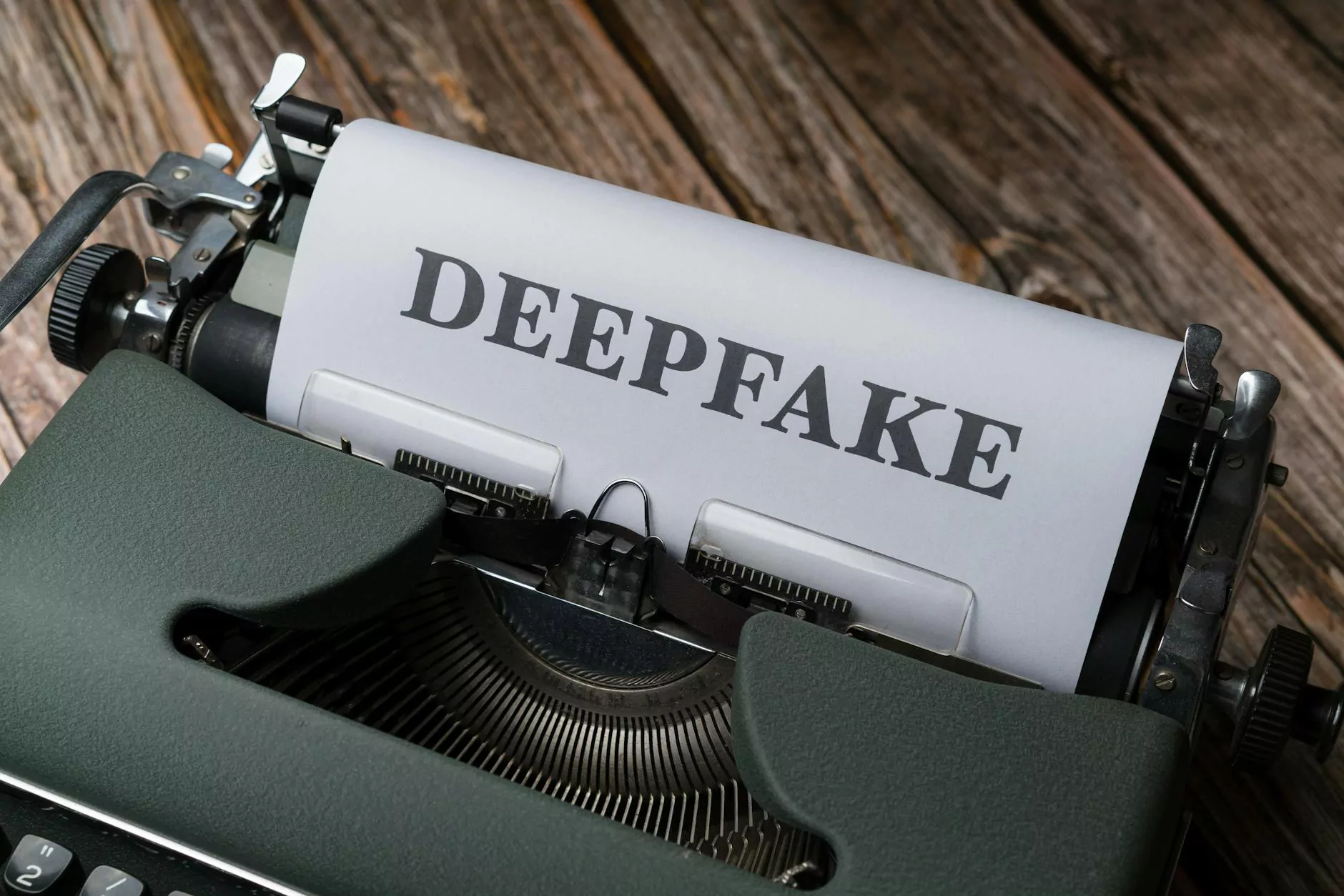
The world of fake money and fake documents is a complex landscape filled with dilemmas, ethical considerations, and legal ramifications. As technology evolves, so do the methods behind creating these counterfeit items. While the discussion around them can often be shrouded in secrecy, it is crucial to expose the nature of these operations to understand their implications better. In this comprehensive article, we will delve into the details of fake money and documents, explore their uses, and understand the risks and consequences attached to these counterfeit endeavors.
Understanding Fake Money
Fake money, often referred to as counterfeiting, is the process of producing currency that is intended to imitate genuine currency with the purpose of deceit. This illegal practice has a rich history and has evolved dramatically with technological advancements.
The Evolution of Counterfeiting
Counterfeiting dates back hundreds of years, with some of the earliest instances traced to the Roman Empire. As security features in currencies became more sophisticated, counterfeiters have continually adapted, employing new technologies to reproduce money more effectively.
Modern Techniques in Counterfeiting
- Digital Reproduction: With the advent of high-resolution printers and scanners, creating convincing fake bills has become more accessible.
- Microprinting: Many modern currencies feature intricate designs and microprinting that are challenging to replicate, yet counterfeiters continuously seek ways to imitate these features.
- Color-Shifting Ink: This innovative ink changes color when tilted and is one of the notable security features in modern bills.
The Impact of Fake Money on the Economy
The proliferation of fake money poses significant risks to economies worldwide. When counterfeit bills circulate, they undermine trust in the currency system, leading to inflation and economic instability. Businesses often incur losses when they accept counterfeit bills, which can ultimately harm their profitability.
Legal Repercussions of Counterfeiting
The law imposes severe penalties for those caught engaging in counterfeiting activities. These can range from hefty fines to lengthy prison sentences. In many jurisdictions, the production and distribution of fake currency can be classified as a federal crime, which incurs even more stringent penalties.
Exploring Fake Documents
Fake documents encompass a wide variety of items, including passports, driver's licenses, and business certifications. The creation and use of these documents can have serious implications, often associated with identity theft, fraud, and other criminal activities.
Common Types of Fake Documents
- Identification Cards: Counterfeit IDs are frequently used for identity fraud or to bypass age restrictions.
- Passports: Fake passports can facilitate illegal travel and are often linked to human trafficking and smuggling operations.
- Academic Credentials: The rise in the use of fake diplomas and degrees undermines the integrity of educational institutions.
Motivations Behind Creating Fake Documents
People create or obtain fake documents for various reasons, including:
- Criminal Activity: Many engage in forgery to commit fraud, theft, or other illegal acts.
- Desperation: Individuals facing significant financial hardship may resort to using fake documents for employment or benefits.
- Falsifying Identity: In some cases, people may seek to change their identity for personal safety or to escape legal issues.
Risks of Using Fake Documents
Consequences for using fake documents can be severe. Aside from legal repercussions, individuals may face social consequences and long-term ramifications for their actions, including damage to one's reputation and future employment opportunities.
Ethical and Legal Considerations
The ethical implications surrounding fake money and documents are profound. A society relying on trust and authenticity can quickly deteriorate when counterfeiting runs rampant. It raises questions related to morality, legality, and the responsibilities of individuals and businesses.
Preventing Counterfeiting
As the counterfeiting landscape continues to evolve, so does the need for robust prevention strategies. Here are some effective ways businesses and individuals can help combat counterfeit money and documents:
- Education and Awareness: Understanding the signs of counterfeit items can prepare individuals and organizations to detect and prevent such occurrences.
- Investing in Technology: Businesses that handle cash transactions should consider investing in devices that can scan and identify fake currency.
- Reporting Suspected Counterfeits: Encourage individuals to report any suspected counterfeit activities to the authorities.
Conclusion
The intricacies surrounding fake money and fake documents highlight the critical nature of authenticity in our society. The implications extend far beyond the immediate consequences for those engaging in these illegal activities; they affect individuals, businesses, and entire economies. Understanding this landscape is vital for developing effective prevention strategies and fostering a society built on trust and integrity. As we continue to navigate these challenges, maintaining vigilance and promoting awareness will be essential in combating the threat posed by counterfeiters.
For more information about fake money and fake documents, visit ondetecteerbareklonen.com to gain insights and resources on this intricate subject.
https://ondetecteerbareklonen.com/